

Filter Trips By:
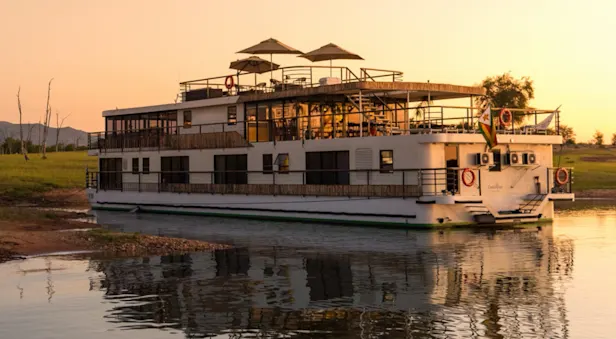
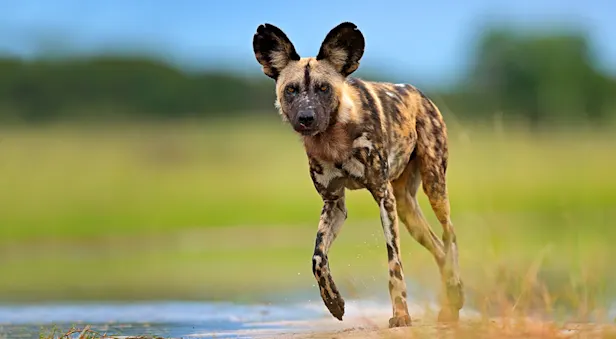
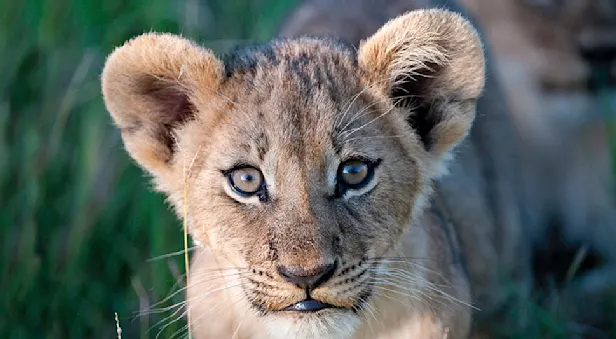
Botswana: Kalahari, the Delta & Beyond
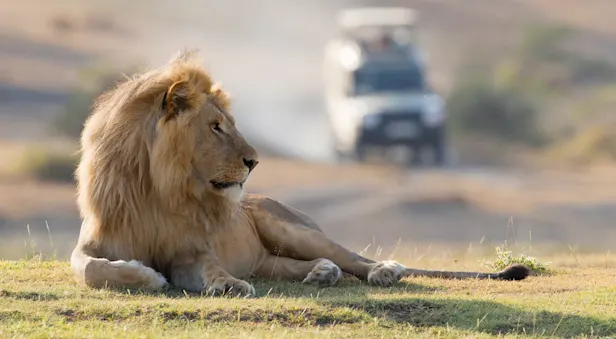
Witness the spectacle of Botswana during the green season under changing skies, as the desert bursts forth with life, wildlife thrives with seasonal water, and new births fill the plains.
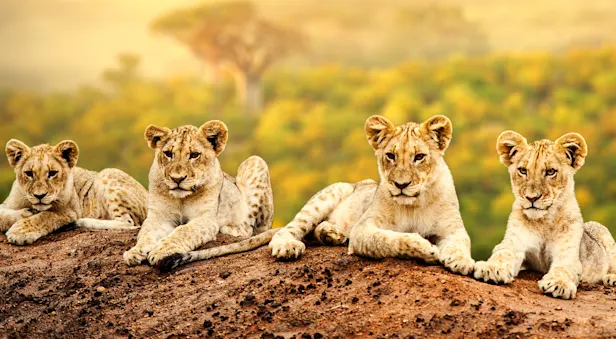
Pride of East Africa: Kenya & Tanzania
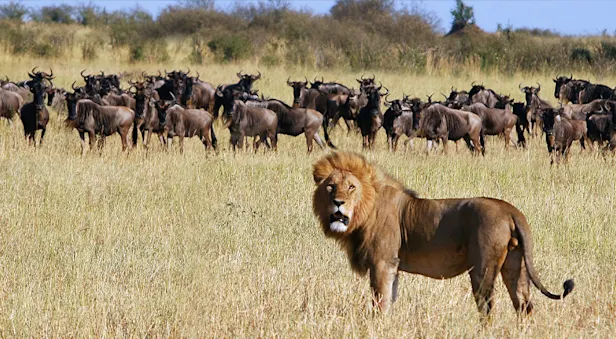
Witness the Great Migration and explore four of Africa's top wildlife-viewing spots—Kenya's Maasai Mara and Ol Pejeta Conservancy, plus the Serengeti and Ngorongoro Crater in Tanzania.

The Great Kenya Migration Safari
Experience one of the world's most incredible wildlife events in Africa's most classic safari destination—Kenya, home to the massive movement of creatures that is the Great Migration!
Kenya Rhino & Elephant Conservation Safari
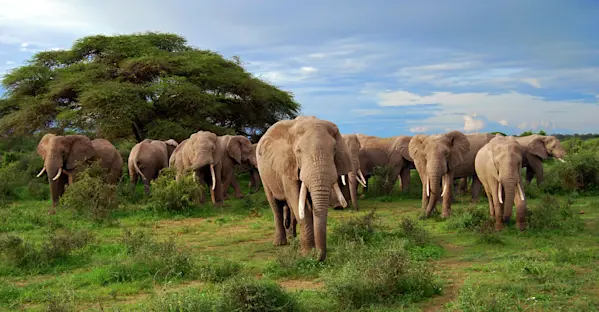
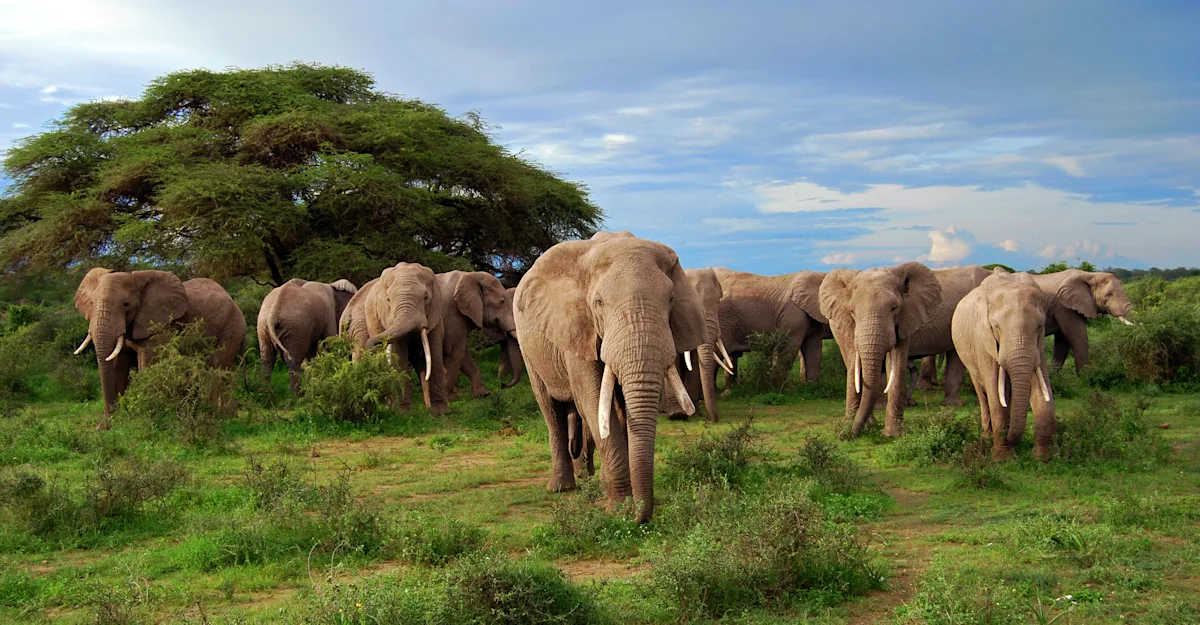
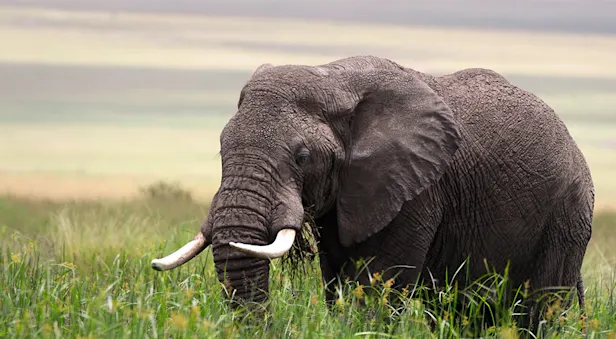
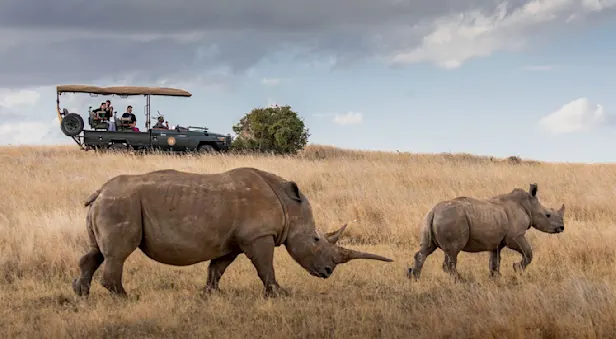
Endearing elephants and endangered rhinos are front and center, along with other plentiful wildlife—enjoy exclusive talks with conservationists as we learn about restoration efforts up close.
Tanzania’s Great Migration & Ngorongoro Crater
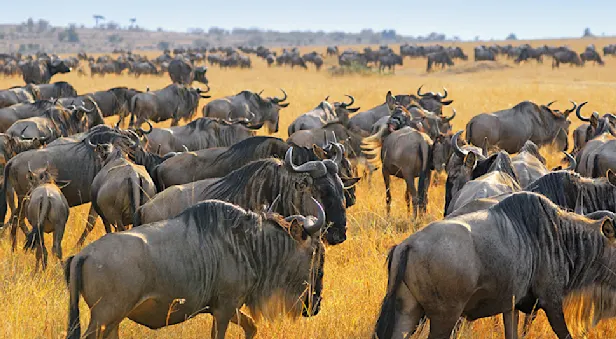
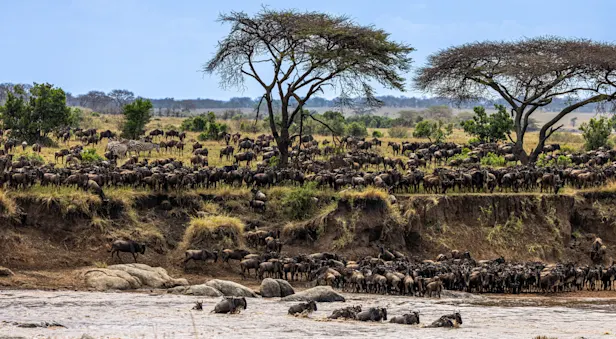
Witness one of nature's most exhilarating spectacles: thousands of wildebeest and zebra making their annual trek across the Serengeti! Itineraries custom-designed to follow the herds.
Botswana Green Season Photo Expedition
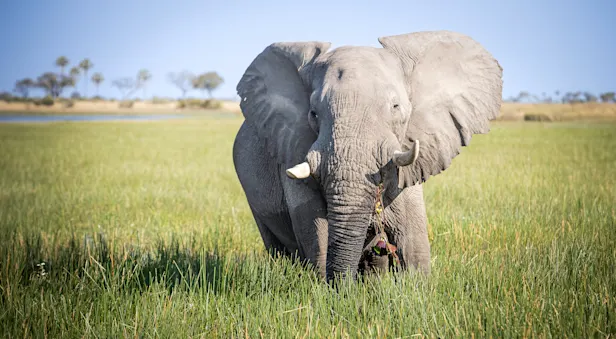
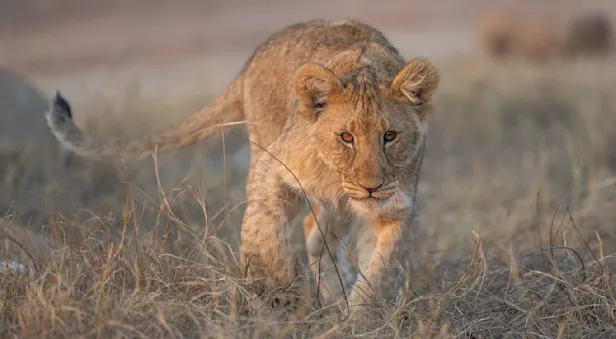
Photograph Botswana's wild bounty during the less-traveled green season, as new grass attracts migrating wildlife and animal births abound—includes a doors-off helicopter flight over the Okavango Delta!

Best of Southern Africa—Custom Safari
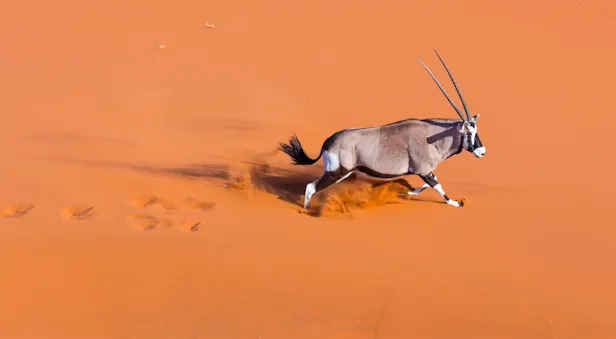
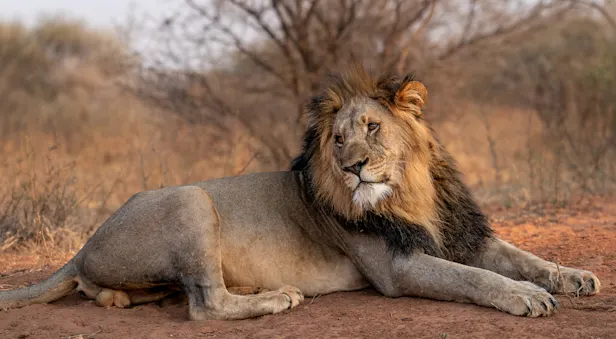
An epic adventure from remote camps showcasing the best wildlife reserves in South Africa and Botswana, from the Kruger to the Okavango Delta...plus Victoria Falls!
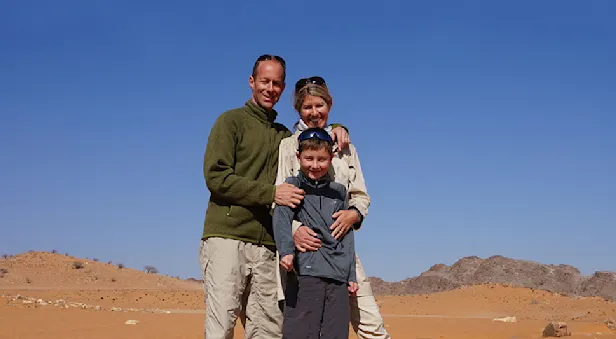
Family Namibia Adventure—Custom Safari
An all-ages odyssey featuring thrilling encounters with unique, desert-adapted wildlife across a range of habitats from savanna to sand dunes.
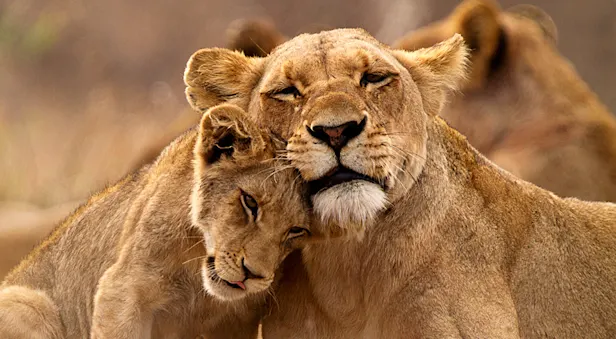
Exclusive South Africa—Custom Safari
Immerse yourself in Kruger and Madikwe, two of Africa’s most legendary wildlife regions, on a distinctive adventure featuring stays in private luxury villas.
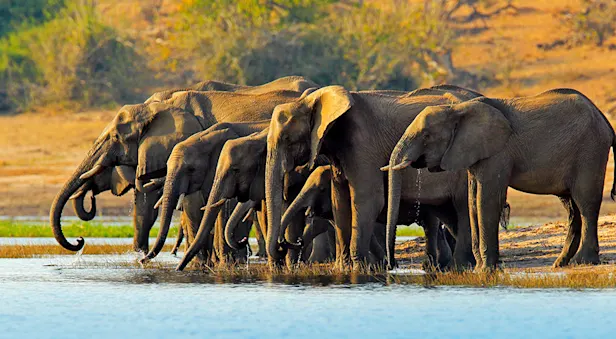
Family South Africa—Custom Safari
Make lasting memories as you scout for the Big Five, track cheetahs and look for penguins and sharks on this exclusive multi-generation adventure.
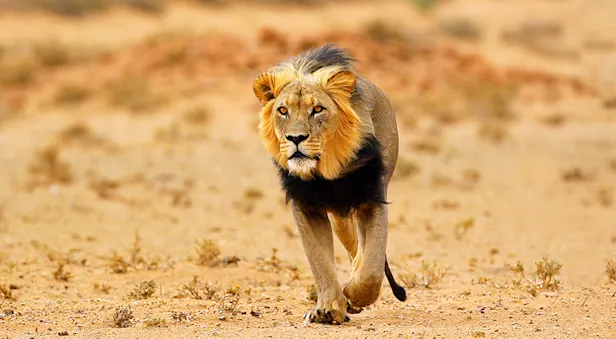
Diverse South Africa—Custom Safari
Experience unmatched wildlife diversity across bushveld, desert and coast from small safari camps on private reserves heralded for premier animal viewing.
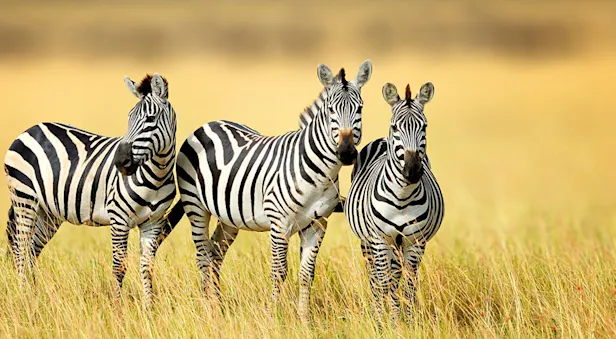
Exclusive Kenya—Custom Safari
Scout for the Big Five, including endangered rhinos, as you discover the Maasai Mara and Lakipia Plateau. Remote private homes offer the ultimate in seclusion.
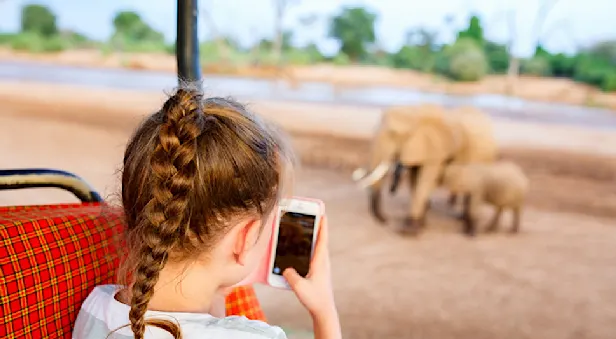
Family Kenya Adventure—Custom Safari
This optimally designed family adventure showcases one of Africa's premier safari countries and its legendary wildlife mecca, the Maasai Mara.
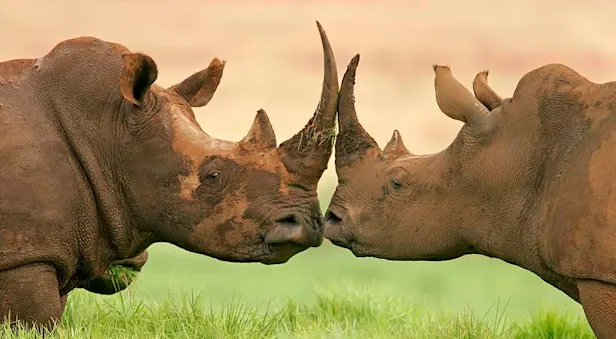
The Best of Kenya—Custom Safari
Discover Africa's most famous safari destination on exclusive private wilderness reserves where wildlife abounds and other visitors are few.
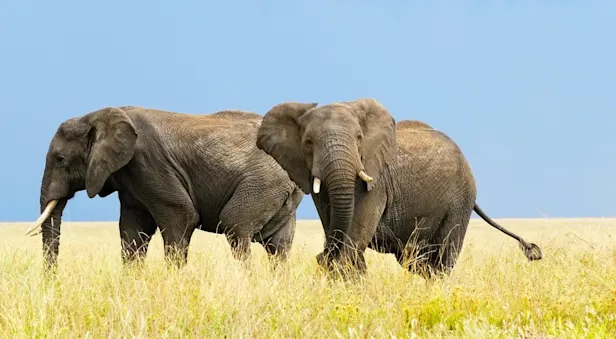
Hidden Tanzania—Custom Safari
Discover a vast sector of East Africa that few experience, a remote safari frontier that's home to prolific game, predators and huge numbers of hippos and crocodiles.
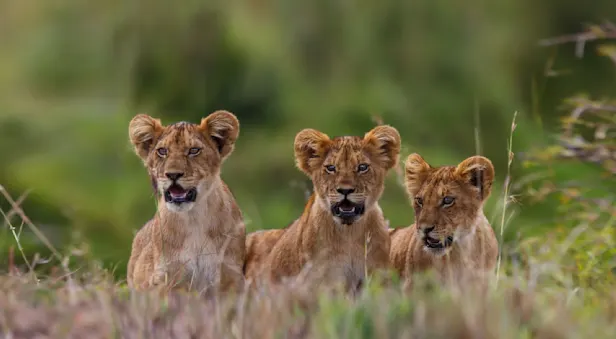
Family Tanzania Adventure—Custom Safari
Join outstanding guides for an an all-ages adventure to the best wildlife regions of Tanzania—build bonds that will connect you forever!
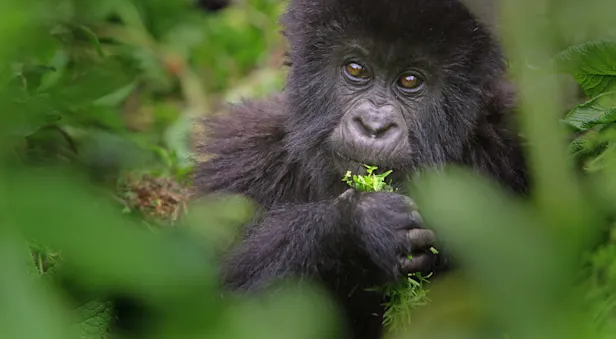
Gorillas & Wildlife of Uganda—Custom Safari
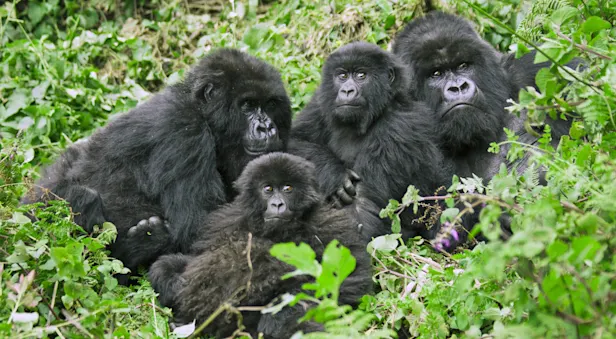
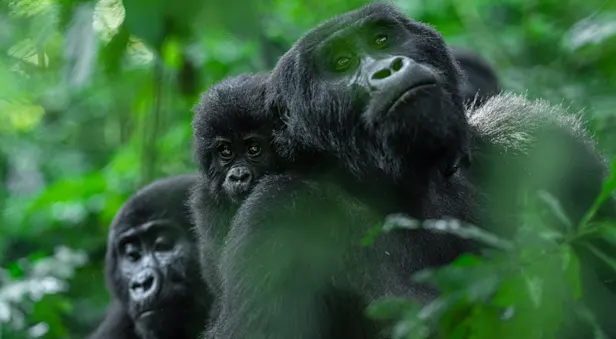
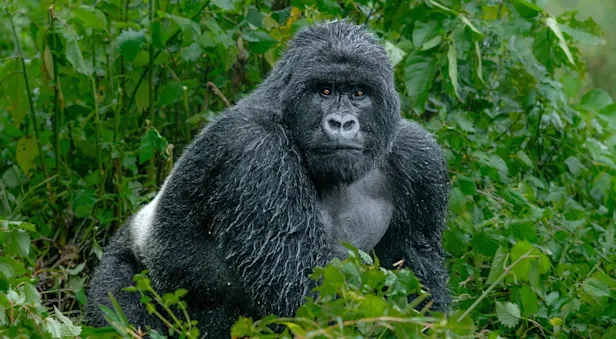
Track mountain gorillas, witness the thunder of Murchison Falls, and watch predators and prey interact on this exploration of four distinct national parks.
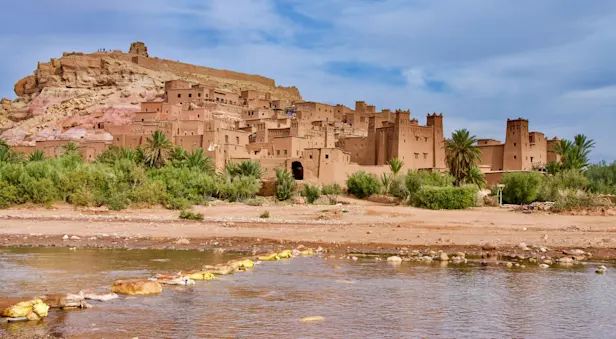

In Africa, our focus is on secluded and spectacular wildlife encounters away from crowds. Our small-group safaris and Photo Expeditions feature intimate camps and private reserves. Yet despite our isolated locales, you’ll enjoy surprising luxury in the bush, with amenities and personalized service that will exceed your expectations. Our Expedition Leaders, who are among the most experienced and highly trained safari guides in Africa, are the key to your superlative adventure.