Know Before You Go: Kenya Tours
What Wildlife Will I See on a Kenya Safari?
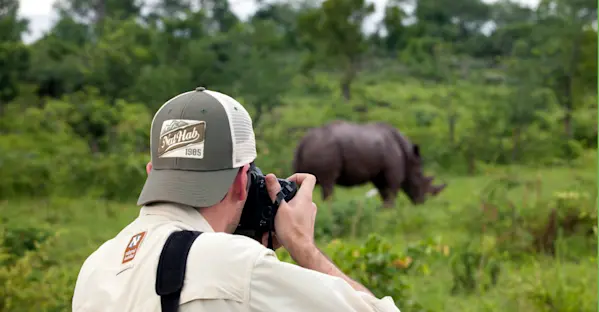
Kenya is one of Africa’s richest wildlife destinations and a top choice for safari travel. On a single Kenya safari, travelers may observe lions on open plains, elephants beneath acacia trees and large herds of wildebeest and zebra moving across the savanna. In renowned rhino strongholds such as Ol Pejeta Conservancy, Kenya also serves as a critical refuge for some of East Africa’s last remaining black rhinos.
Why Is Kenya One of the Best Wildlife Destinations in East Africa?
Kenya is one of the best wildlife destinations in East Africa because it sits at the heart of the greater Serengeti–Mara ecosystem and protects a connected network of national reserves, private conservancies and community lands that support large free-ranging wildlife populations.
This landscape mosaic offers:
High densities of predators in regions such as the Maasai Mara
The seasonal movement of the Great Migration across shared Kenya–Tanzania grasslands
Important rhino sanctuaries including Ol Pejeta Conservancy, Kenya’s leading black rhino stronghold
A wide range of habitats from open plains and riverine forest to escarpments and semi-arid northern hills
Together, these factors give Kenya an exceptional concentration of big game and predators that few destinations in East Africa or anywhere in the world can match.
How well do you really know East Africa—its thundering wildebeest herds, regal cats and legendary safari landscapes? Take our African Wildlife Trivia Quiz and put your safari knowledge to the test!
Wildlife FAQs
Will I See the Big Five on a Kenya Wildlife Safari?
Yes. Kenya offers some of the best opportunities in Africa to see the Big Five: lion, leopard, elephant, rhino and buffalo. While sightings can never be guaranteed, spending multiple days in key regions significantly improves your chances of seeing most or all of these species.
Big Five species commonly seen on a Kenya safari include:
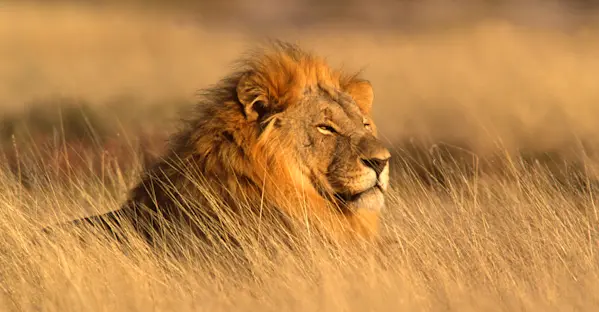
Lions – Strong populations in the Maasai Mara, Ol Pejeta Conservancy and many private conservancies
Leopards – Often found along wooded river courses and rocky areas though they remain elusive by nature
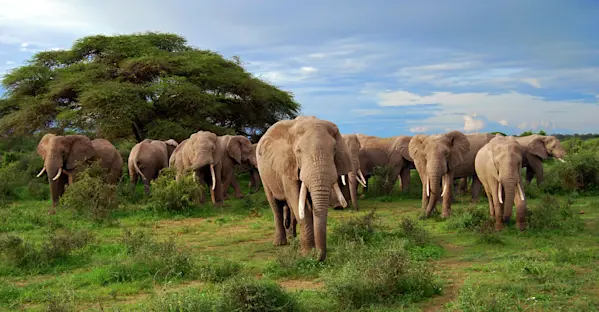
Elephants – Widespread in the Mara region, Laikipia and northern conservancies with scenic backdrops toward Mount Kenya or distant Kilimanjaro from certain parks
Rhinos – Both black and white rhinos are protected in intensive conservation areas such as Ol Pejeta and other sanctuaries
Buffalo – Common across many Kenyan reserves and conservancies
What Large Mammals Might I See on a Kenya Wildlife Safari?
Beyond the Big Five, Kenya supports an exceptional diversity of large mammals across its savannas, woodlands and river systems.
Commonly seen species include:
Giraffes including distinctive Maasai giraffes in southern Kenya
Large herds of plains zebra
Antelope such as impalas, topis, hartebeests, waterbucks and gazelles
Hippopotamuses along major rivers and permanent pools
Warthogs moving between burrows and grazing areas
In northern Kenya, travelers may also encounter regionally distinctive species such as reticulated giraffes and Grevy’s zebras depending on the itinerary.
Which Wild Predators Can I See on a Kenya Wildlife Safari?
Watching predator–prey interactions is one of the defining experiences of a Kenya safari, especially in the Serengeti–Mara system where migratory herds pass through lion and hyena territories. On a Kenya safari, you’re likely to see:
Lions – Often seen in prides on open grasslands or resting on kopjes and termite mounds
Cheetahs – Favor more open country where they can use speed to hunt; sightings are common in the Mara region
Leopards – Master climbers that may drape themselves over tree branches by day
Spotted hyenas – Key scavengers and hunters that often roam in clans
Jackals and bat-eared foxes – Smaller predators that are often active in early morning and evening
Nile crocodiles – Especially in the Mara and other major rivers
What Primates and Smaller Mammals Will I See on a Kenya Wildlife Safari?
Kenya is home to more than 20 primate species which add constant movement and sound to the safari experience. Some species are abundant and easily seen while others are more localized or habitat-dependent.
Commonly observed primates include:
Olive baboons frequently encountered in large troops along roads and rivers
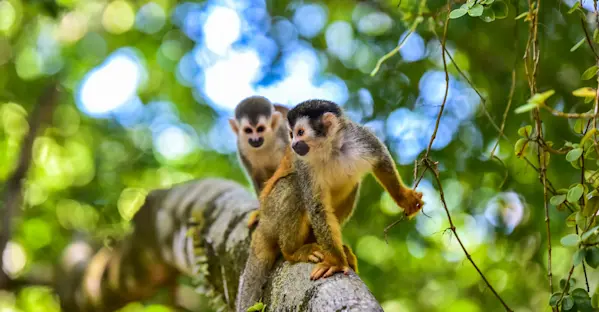
Vervet monkeys known for their expressive faces and lively behavior
Blue monkeys typically found in forested and highland regions
Colobus monkeys recognized by their striking black-and-white coats
Smaller mammals such as rock hyraxes, dik-diks, banded mongooses and bush babies are also frequent highlights particularly in woodland and rocky habitats.
What Birds Will I See on a Kenya Wildlife Safari?
Kenya is one of Africa’s top birding destinations, with hundreds of species recorded in core safari regions alone. Depending on your route, you might see:
Large ground birds such as ostriches, kori bustards and secretary birds striding across grasslands
Vultures, eagles and other raptors circling thermals above the plains
Colorful bee-eaters, lilac-breasted rollers and kingfishers perching near water and open areas
Waterbirds including storks, herons and, in some Rift Valley lake areas, impressive gatherings of flamingos
Even travelers who do not consider themselves birders often find their cameras pointed skyward in Kenya.
What Time of Day is Wildlife Most Active?
Wildlife in Kenya is generally most active in the early morning and late afternoon into the evening when temperatures are cooler. For this reason, most safaris schedule game drives at dawn and again near sunset when predators are moving, grazers are feeding and animals are easier to observe. These times also provide the best natural light for photography with softer colors, longer shadows and clearer detail.
Learn More About East Africa Wildlife
African Wildlife Trivia
African Elephant
African Wild Dog
Baboon
Buffalo
Cheetah
Crocodile
Giraffe
Greater Antelope
Hippo
Hyena
Jackal & Fox
Leopard
Lion
Ostrich
Rhino
Vervet Monkey
Wildebeest
Zebra
Kenya Tours
Kenya Rhino & Elephant Conservation Safari
Endearing elephants and endangered rhinos are front and center, along with other plentiful wildlife—enjoy exclusive talks with conservationists as we learn about restoration efforts up close.
Kenya Migration Photo Expedition
Capture incredible close-ups of the planet's greatest migration from our private mobile camps, as thousands of wildebeest and zebra traverse the Maasai Mara plains with stealthy predators in pursuit.
The Great Kenya Migration Safari
Experience one of the world's most incredible wildlife events in Africa's most classic safari destination—Kenya, home to the massive movement of creatures that is the Great Migration!
Ultimate East Africa Safari
Sit with mountain gorillas in Uganda, then see the best of Kenya and Tanzania as we witness the Great Migration and visit Africa's iconic wildlife-viewing locations on a once-in-a-lifetime safari.
Pride of East Africa: Kenya & Tanzania
Witness the Great Migration and explore four of Africa's top wildlife-viewing spots—Kenya's Maasai Mara and Ol Pejeta Conservancy, plus the Serengeti and Ngorongoro Crater in Tanzania.
Exclusive Kenya—Custom Safari
Scout for the Big Five, including endangered rhinos, as you discover the Maasai Mara and Lakipia Plateau. Remote private homes offer the ultimate in seclusion.
The Best of Kenya—Custom Safari
Discover Africa's most famous safari destination on exclusive private wilderness reserves where wildlife abounds and other visitors are few.
Family Kenya Adventure—Custom Safari
This optimally designed family adventure showcases one of Africa's premier safari countries and its legendary wildlife mecca, the Maasai Mara.
Videos & Wildlife Webinars
VIDEO | Farther Afield at Nat Hab's Private East Africa Safari Camps
Get closer to East Africa’s iconic wildlife at Natural Habitat Adventures' secluded safari camps, set on remote private reserves and national parks in Kenya and Tanzania.
VIDEO | Experience Nat Hab's Kenya & Tanzania Safaris
Explore Kenya's and Tanzania’s best wildlife reserves on an eco-friendly safari and witness East Africa’s Great Migration!
VIDEO | Great Migration Safaris — The Nat Hab Experience
Join Natural Habitat Expedition Leader Pietro Luraschi as he shows us the magic of Kenya's Great Migration. Learn what it's like to discover a natural world that was the same hundreds of years ago, a world with hidden treasures you'll never see in documentaries.
VIDEO | Traveler Profile: An African Safari Experience
Traveler David Gresham tells how a longtime passion for photography led him to go see the Great Migration on an East Africa safari with Nat Hab. In this personal encounter shared with firsthand footage, David describes the magic of being surrounded by wild animals all day, then returning to the idyllic comforts of a safari camp at night.
WEBINAR | East Africa’s Migration: The Greatest Show on Earth
No other wildlife event rivals East Africa’s Great Migration for sheer drama! Every year, some 2 million wildebeest and zebra make a grand circuit across the plains from the Serengeti into Kenya's Maasai Mara and back, following the new grass that sprouts with the seasonal rains. Expedition Leader Richard de Gouveia explains the impact of this never-ending cycle of movement on the ecosystem and on the predators—lions, leopards, crocodiles and more—that stalk their journeying prey. Plus, find out how you can witness the Great Migration for yourself!
WEBINAR | Rhinos Revealed: Horns & Hope
With their spiky horns, adorable ears and wrinkled, armor-like hides, rhinos always make us smile. But the threats against them – primarily poaching and habitat loss – also provoke concern. In honor of World Rhino Day, Africa Expedition Leader Richard de Gouveia reveals all things rhino, from their biology and ecology to the measures conservationists and governments are taking to protect these pachyderms. Plus, find out where to see rhinos in the wild and how sustainable tourism can aid conservation efforts.
WEBINAR | Epic Migrations: Mapping the Mystery of Animal Movements
Meet some of nature's most intrepid travelers, from the wide-ranging wildebeest of the African Serengeti to the monarch butterflies that wing their way from North America to Mexico each fall. Expedition Leader Eric Ramirez unravels the mysteries of animal migrations and explores their importance to ecosystems worldwide. Learn how various migrations affect biodiversity, support ecological balance and even impact human life. Then find out where you can witness some of nature's most awe-inspiring migrations on Nat Hab adventures!
WEBINAR | The East Africa Safari Experience
Botswana or Kenya? Kruger or Serengeti? Safari options are many, and a big decision is whether to go south or east. Richard de Gouveia, just back from East Africa, shares all the details on this classic destination.
WEBINAR | The Remarkable Rhinoceros
You know the threat rhinos face from poachers. But there’s much more to these magnificent mammals than their perpetual plight. Expedition Leader Lorraine Doyle applies a fresh lens on the rhinoceros, including the important role it plays in ecosystem maintenance. Gain a more holistic view on this ancient animal and the need to conserve them via Lorraine’s expertise, including her time on a reserve that's part of WWF's Black Rhino Range Exchange Program.