Know Before You Go: Kenya Tours
Where Should I Go on Safari in Kenya?
Kenya is roughly the size of Texas and protects more than 12% of its land in national reserves, parks and private conservancies. Its landscapes range from classic open savanna and Rift Valley lakes to forested highlands, snowcapped Mount Kenya and a warm Indian Ocean coastline. In a single country, you can watch elephants cross golden grasslands, search for leopards along riverbanks, and follow giraffes through acacia-dotted hills.
Kenya also holds a foundational place in safari history. It was one of Africa’s earliest wildlife destinations, shaping the modern concept of the safari through pioneering conservation efforts and legendary wildlife photography. Rather than trying to see it all in one trip, most travelers focus on a few key regions. Nat Hab itineraries are designed to connect these areas efficiently using internal flights, minimizing long road transfers and maximizing time in the field. Below are some of the regions that anchor many Kenya safaris.
Maasai Mara National Reserve & Surrounding Conservancies
Located in southwestern Kenya near the Tanzanian border, the Maasai Mara is the country’s most iconic safari destination and one of Africa’s most wildlife-rich ecosystems. Together with the Serengeti, it forms a vast, uninterrupted grassland supporting extraordinary concentrations of plains game and predators.
Why Go to the Maasai Mara?
Classic African savanna scenery with open plains, scattered acacia trees and expansive skies
High predator densities, including lions, cheetahs and spotted hyenas
Excellent year-round game viewing with wildebeest, zebra, giraffe, buffalo and gazelles
Seasonal Great Migration sightings, when massive herds move into the Mara
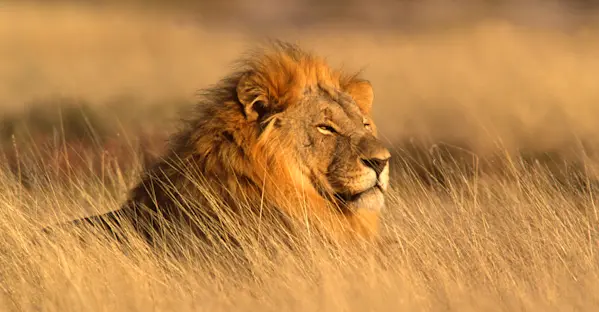
Because the habitat is largely open grassland, wildlife sightings here tend to be long, unobstructed and easy to observe. It is common to spend extended time watching a lion pride at rest, a cheetah scanning the plains or elephants moving steadily across the savanna.
What’s the Difference Between the Maasai Mara National Reserve and Private Conservancies?
The Maasai Mara National Reserve is the central, publicly managed protected area. Surrounding it are Maasai-owned private conservancies, which function as wildlife corridors and critical extensions of the ecosystem. Animals move freely between the reserve and conservancies, unaware of human boundaries. Private conservancies differ from the national reserve in important ways:
Strict limits on vehicle numbers and lodge density, resulting in quieter, less crowded wildlife encounters
Expanded activities, such as night drives and guided walks, where permitted
Direct community benefits, as tourism revenue supports land leases, schools and conservation employment
Access to private conservancies is generally limited to guests staying at camps within them, meaning independent visitors cannot simply enter on their own. This model helps protect wildlife while delivering a more immersive safari experience.
Nat Hab’s Approach in the Maasai Mara
Nat Hab bases guests in a private conservancy bordering the Maasai Mara National Reserve, using Migration Camp—Maasai Mara and Mara East Camp as seasonal bases. Staying within these conservancies places you inside the same wildlife ecosystem as the reserve, but with fewer vehicles, more flexibility and the freedom to adapt each day around wildlife behavior rather than park gate hours. For travelers, this means longer sightings, quieter moments and a deeper connection to the landscape.
Photographing the Great Migration
Travelers who are especially focused on photography can choose Nat Hab’s Kenya Migration Photo Expedition, a dedicated photo safari based from private mobile camps in the Maasai Mara during peak migration season. Small groups, flexible daily schedules and a photographer–naturalist Expedition Leader help guests capture close-up images of wildebeest and zebra herds, along with predators that follow them across the plains.
Ol Pejeta Conservancy & the Laikipia Plateau
On the Laikipia Plateau north of Mount Kenya, Ol Pejeta Conservancy covers about 360 square kilometers and has become one of East Africa’s most important refuges for endangered wildlife. What was once a cattle ranch is now a working conservation landscape where wildlife protection, sustainable grazing and tourism support one another, keeping habitat intact across a vast stretch of savanna and acacia woodland.
Why Go to Ol Pejeta and Laikipia?
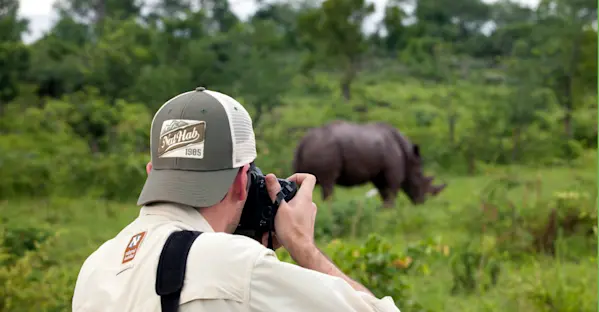
A leading rhino stronghold, with more than 165 black rhinos plus southern white rhinos protected through intensive monitoring and security
A firsthand look at modern conservation in action, from highly trained ranger teams to K9 units and advanced surveillance systems
Excellent predator and general game viewing in a lesser-visited region, often with fewer vehicles than Kenya’s most famous reserves
Expansive Laikipia scenery, with Mount Kenya rising on the horizon on clear days
Ol Pejeta is also home to the world’s last two northern white rhinos, protected by round-the-clock armed rangers. These critically endangered individuals can no longer survive in the wild, but ongoing research here explores ways to preserve their genetic lineage.
Nat Hab’s Rhino Camp sits inside Ol Pejeta, placing guests close to wildlife corridors and the conservancy’s day-to-day protection work. Along with classic game drives, stays here can include visits that reveal how conservation decisions on the ground directly shape the future of Kenya’s wildlife.
“The Ol Pejeta Conservancy is home to the planet’s last two northern white rhinos...safari guests can enjoy a private session with the rhinos’ keepers and meet their passionate guards, as well as gain insight into their intensive rhino conservation efforts. An intimate and informative visit to Sheldrick Wildlife Trust in Nairobi, including the Daphne Sheldrick Elephant Orphanage, will showcase efforts in elephant and rhino rehabilitation. Throughout the safari, guests stay in deluxe ecolodges and secluded bush camps on private conservancies away from crowds and famous for abundant wildlife viewing.” —Forbes
Namunyak Wildlife Conservancy & Northern Kenya
Farther north, the dry mountains and broad valleys of northern Kenya feel very different from the Mara and Laikipia. Namunyak Wildlife Conservancy spans roughly 850,000 acres of Samburu homeland where community and conservation goals are closely linked.
Why Go to Namunyak?
Remote wilderness with a true sense of space and solitude
Elephants using protected migration corridors through forested hills and valleys
Samburu cultural presence in a landscape they have grazed for generations
Proximity to Reteti Elephant Sanctuary, the first community-owned and run elephant sanctuary in Africa
Nat Hab’s Elephant Conservation Camp is solar-powered and set on a dramatic cliffside with far-reaching views over Namunyak. From camp it is a short walk to Reteti Elephant Sanctuary, where orphaned and abandoned elephant calves are rescued, rehabilitated and prepared for eventual release back to the wild. Guests have access to exclusive feeding times and behind-the-scenes insight into how this community-driven project operates.
More Kenya Safari Regions
Beyond Kenya’s core safari areas, several other parks and reserves offer different landscapes, wildlife highlights and photo opportunities. Travelers with extra time, or a special interest in certain species or scenery, sometimes add one or more of the regions below.
Amboseli National Park – Known for elephants with views of Mount Kilimanjaro on clear days. Nat Hab’s Custom Africa: Exclusive Kenya Safari can be tailored to include time in Amboseli.
Samburu National Reserve – Semi-arid landscapes north of Mount Kenya with distinctive species such as Grevy’s zebra and reticulated giraffe
Rift Valley lakes – Seasonal concentrations of flamingos and other waterbirds on lakes like Nakuru or Naivasha
Kenya Tours
Kenya Rhino & Elephant Conservation Safari
Endearing elephants and endangered rhinos are front and center, along with other plentiful wildlife—enjoy exclusive talks with conservationists as we learn about restoration efforts up close.
Kenya Migration Photo Expedition
Capture incredible close-ups of the planet's greatest migration from our private mobile camps, as thousands of wildebeest and zebra traverse the Maasai Mara plains with stealthy predators in pursuit.
The Great Kenya Migration Safari
Experience one of the world's most incredible wildlife events in Africa's most classic safari destination—Kenya, home to the massive movement of creatures that is the Great Migration!
Ultimate East Africa Safari
Sit with mountain gorillas in Uganda, then see the best of Kenya and Tanzania as we witness the Great Migration and visit Africa's iconic wildlife-viewing locations on a once-in-a-lifetime safari.
Pride of East Africa: Kenya & Tanzania
Witness the Great Migration and explore four of Africa's top wildlife-viewing spots—Kenya's Maasai Mara and Ol Pejeta Conservancy, plus the Serengeti and Ngorongoro Crater in Tanzania.
Exclusive Kenya—Custom Safari
Scout for the Big Five, including endangered rhinos, as you discover the Maasai Mara and Lakipia Plateau. Remote private homes offer the ultimate in seclusion.
The Best of Kenya—Custom Safari
Discover Africa's most famous safari destination on exclusive private wilderness reserves where wildlife abounds and other visitors are few.
Family Kenya Adventure—Custom Safari
This optimally designed family adventure showcases one of Africa's premier safari countries and its legendary wildlife mecca, the Maasai Mara.