Conservation

709 stories

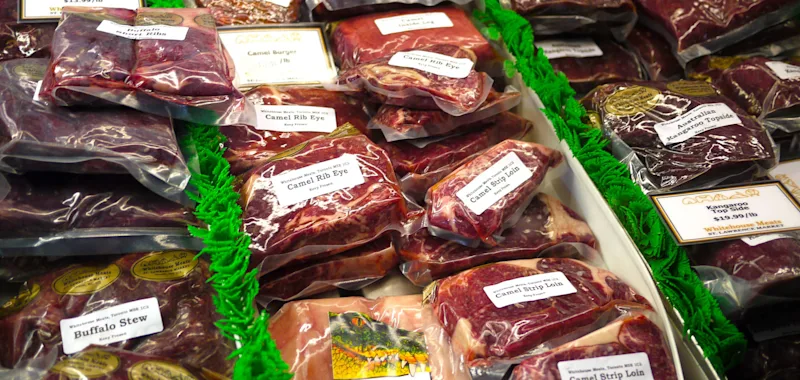
  • Bushmeat and Locavores: When “Eating Locally” Goes Bad for Going Big

    Oct 25, 2016 · Candice Gaukel Andrews

    Becoming a locavore—someone who prefers to find and eat local foods—is a growing and, in most cases, healthy trend in the United States. Locavores typically forage for berries, fruits, mushrooms and nuts; and some take up hunting, deciding they prefer to eat free-range, organically grown meat.
  • Forever Killing Wolves

    Oct 4, 2016 · Candice Gaukel Andrews

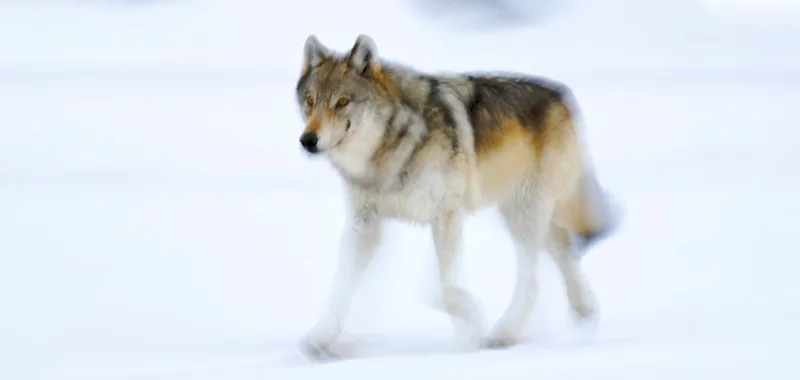
    This is the dirty fact I’ve come to recognize: we humans won’t allow wolves to live on our planet. We won’t stop until the last one of them is gone. If you don’t believe me, look at what’s happening in our own country. Then, look around the world.

  • The Secrets Behind Rwanda’s Conservation Comeback

    Sep 9, 2016 · iSafari

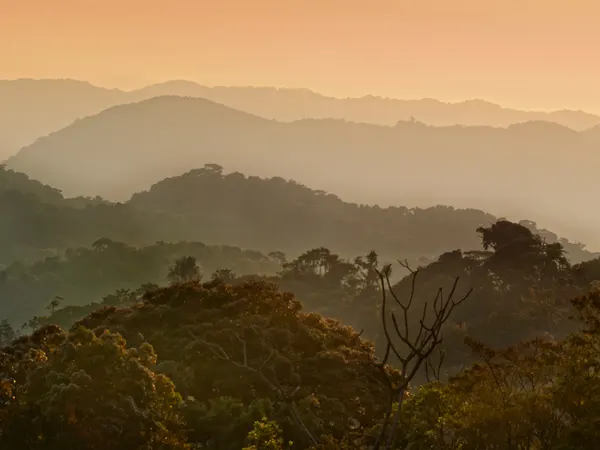
    Rwanda, a landlocked country in central Africa, is perhaps best known for its devastating history of war and genocide. Environmentally, the war had harsh impacts, as the massive migration of people to refugee camps placed significant stress on the surrounding ecosystem. Forests were cleared to provide fuel to cook with and wood to make shelters.

  • Renewables Energize a Sustainable Future for the Galapagos Islands

    Aug 4, 2016 · About Galapagos

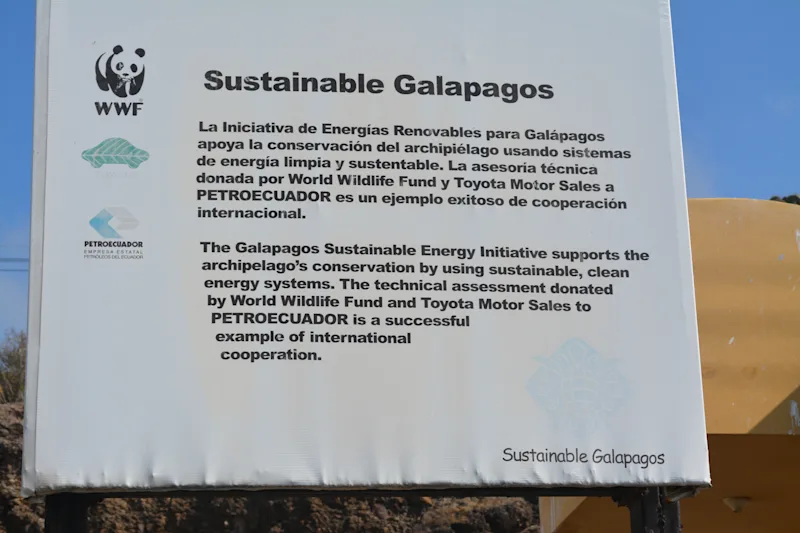
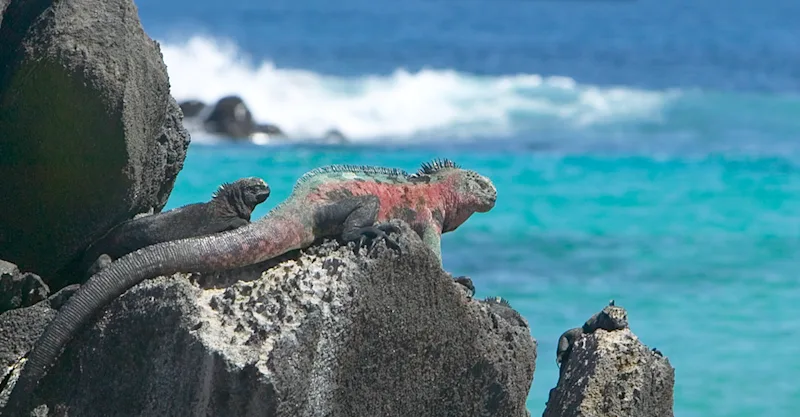
    This is the summer of exciting initiatives and new, hopeful directions for the future of the Galapagos Islands. In March, Ecuadorian President signed a decree to create a protected marine sanctuary of 15,000 square miles around the islands. Following the incredible accomplishment of protecting marine ecosystems, the Galapagos National Park will be managed by the newly appointed Africa Besones.

  • The Galápagos: Conservation in Action

    Jul 13, 2016 · Karl Egloff

    “The natural history of these islands is eminently curious, and well deserves attention,” wrote Charles Darwin. As a WWF supporter, staff member, and recent NatHab traveler, one of the things I found most impressive about the Galápagos was WWF’s long relationship and history with the islands.

  • Assam State in India Takes New Steps to Stop Rhino Poaching

    Jul 2, 2016 · Julie Waggoner

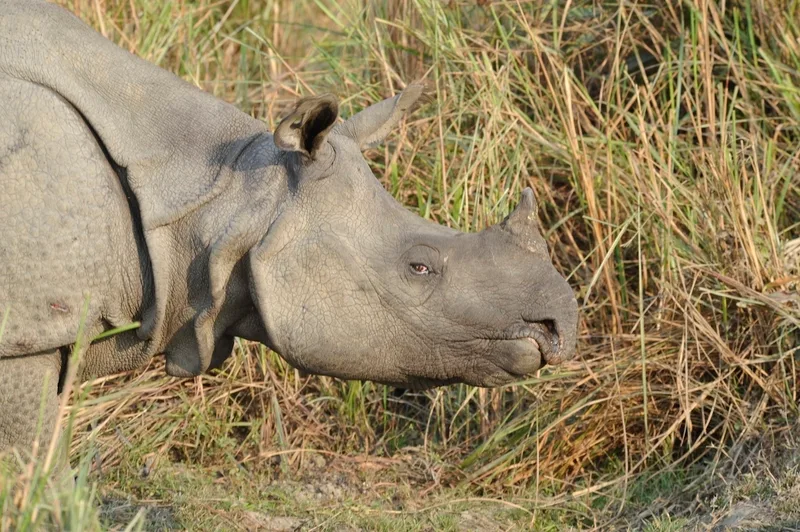
    In the northeast Indian state of Assam the newly elected government this month announced plans to crack down on poaching of one-horned rhinos in the area. Kaziranga National Park in Assam is home to the world’s largest population of rare and endangered one-horned rhinos.

  • Bhutan: The World’s First Carbon-negative Country

    Jun 6, 2016 · Emily Deemer

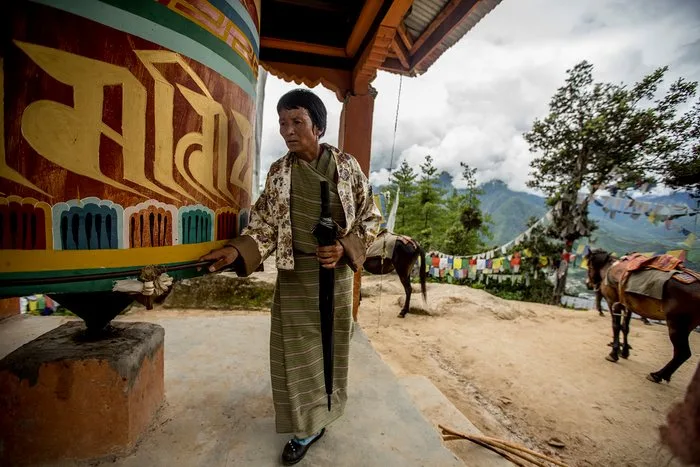
    Bhutan is famously known for replacing the traditional economic concept of GDP (gross domestic product) with the Gross National Happiness index, an objective measure of the well being of its environment, communities, culture, health and wisdom, among others.

  • Conservation and Tourism Go Hand in Hand

    May 23, 2016 · Emily Deemer

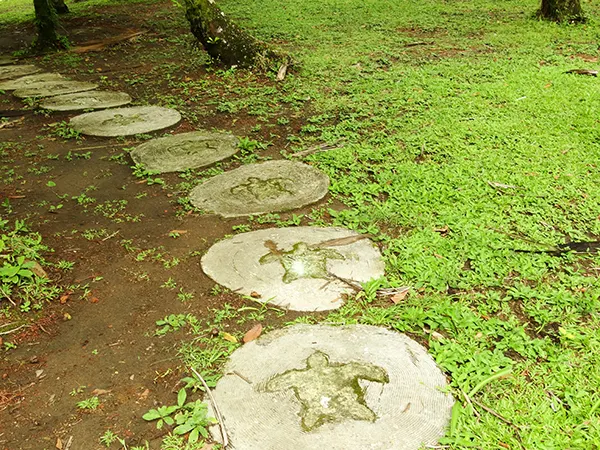
    While visiting Costa Rica with Natural Habitat Adventures last year, I once again had an opportunity to see how embracing conservation enhances communities.