Email Page
Use the form below to email this page to a friend.Yellowstone Wolf Quest
Track Yellowstone’s Most Intriguing Predator Against a Frozen Winter Backdrop
Day 1: Bozeman, MontanaOur Yellowstone wolf tour begins in Bozeman, where you will meet our Expedition Leader at a welcome dinner this evening. An initial orientation introduces us to the geography of the Greater Yellowstone ecosystem.
Day 2: Northern Range, Yellowstone National Park
After breakfast, we make our way to Yellowstone National Park’s northern entrance where we’ll commence our wolf-watching expedition. We scout first for bison, pronghorn, elk and bighorn sheep, but we’re likely to spy our first wolves in this area as well, as they range across the park’s entire northern reach. We break for lunch at the historic park settlement at Mammoth Hot Springs, with time afterward to explore the geothermal features and learn about the establishment of Fort Yellowstone. Later this afternoon we drive east across the Northern Range of Yellowstone, discovering the prime wolf habitat we will explore intimately over the next two days.
Day 3: Lamar Valley Wolf Safari
Following an early continental breakfast, we head into the secluded Lamar Valley to look for wolves. This glacial valley, a wide expanse of grassland and streams in Yellowstone’s remote northeast corner, is North America’s best wolf-watching habitat. Several packs reside here among the elk and bison herds, and we may see lone wolves, or a whole pack, in search of prey. Though we generally observe the wolves at a distance, as they are highly wary of human presence, we are deeply moved as we watch their captivating behavior in a wholly natural realm. We head back to Cooke City for lunch and a slide presentation with Dan and Cindy Hartman, local naturalists and photographers. By mid-afternoon we return to the Lamar Valley for more wolf watching and an optional snowshoe hike to see the last remaining acclimation pen used in 1995 to transition and acclimatize wolves to their new home ranges when they were reintroduced to the park.
Day 4: Lamar Valley Wolf Safari
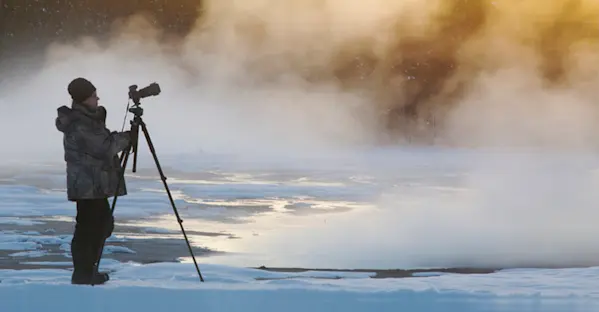
Rising early once again, we return to the Lamar Valley’s isolated reaches to search for wolves. Against the winter-white backdrop they are readily visible, though we will again need to employ patience in our efforts to observe them. Later we snowshoe to the site of an abandoned wolf den to become more intimately acquainted with the lives of these elusive predators.
Day 5: Lamar Valley / Paradise Valley
Spend a final morning enjoying the wildlife and winter landscape of Lamar Valley before traveling into Paradise Valley, just north of Yellowstone National Park. The Yellowstone River flows through this aptly named landscape, renowned for world-class trout fishing. The valley is also an important winter range for wildlife, and we’ll have excellent opportunities to spot bald eagles, rough-legged hawks, mule deer, white-tailed deer and elk. This afternoon we check in to our accommodations at historic Chico Hot Springs Resort. The main lodge was built in 1900 to serve visitors seeking the curative properties of the hot springs. The afternoon is free to soak in the open-air mineral pools or take a hike or snowshoe outing in the Absaroka Range with our Expedition Leader.
Day 6: Bozeman / Home
Our Yellowstone wolf tour concludes after breakfast, with a group transfer to Bozeman to connect with flights home. Guests wishing to spend additional time in Bozeman will be transferred to the GranTree Inn, with the remainder of the day free to explore this historic Old West/New West town. With its rich mining and trapping heritage, it’s not surprising that Bozeman has 40 individual properties on the National Register of Historic Places. Today it is home to Montana State University and offers a wide range of cultural and outdoor activities.


(800) 543-8917 for Availability
Print Page
Every 1st & 3rd Tuesday of the month, starting on February 5th! 

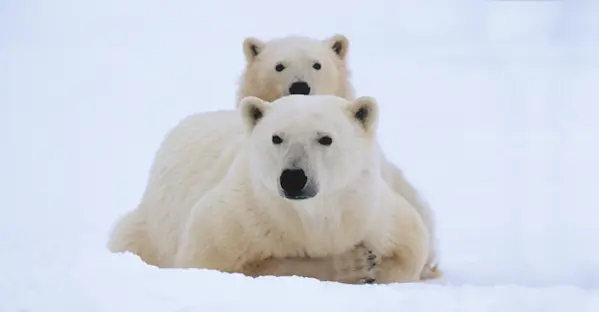
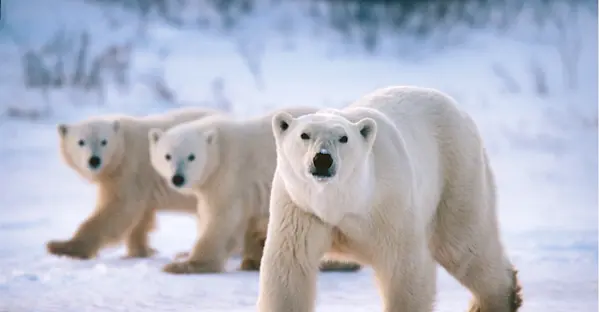
Studies suggest that two-thirds of the world’s polar bear population could be gone by 2050. And if current warming trends continue unabated, WWF scientists and other researchers believe that polar bears may disappear altogether within 100 years. WWF is intent on preventing this from happening.
Our exclusive Quality & Value Guarantee gives our travelers the confidence to make their travel plans knowing that they will have their lofty expectations met and that the fees we charge reflect the quality of the experience provided on our trips.