






Itinerary
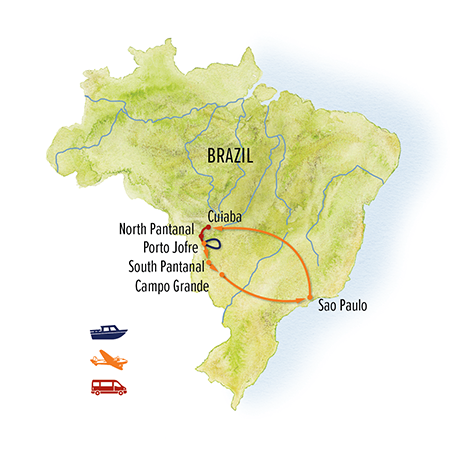
Arrive in Sao Paulo and transfer to our boutique hotel in the upscale Jardins district, a leafy, low-rise enclave in the heart of this burgeoning city. Our Brazil adventure begins with a welcome dinner this evening.
A full day of travel is in store to reach our destination as we first fly this morning to Cuiaba, then transfer by road to Araras Ecolodge in the northern Pantanal. Declared a World Heritage Site and Biosphere Reserve by UNESCO in 2000, the Pantanal’s vast expanse of wet marshlands and dry islands is South America's primary wildlife sanctuary. Its name derives from the Portuguese word pantano, meaning "swamp." With rhythmic regularity, this vast depression in the center of South America floods with the annual rains, submerging most of it environs. As the waters recede during the dry season, they leave a mosaic of pools and marshes where a plethora of life flourishes in intense concentrations. Some 3,500 different plants thrive here, and the Pantanal is home to 10 million caiman, 650 bird species, 400 kinds of fish, myriad reptiles and amphibians, and more than 100 mammal species. Wandering the nature trails around the lodge, we get our first sense of the wondrous biodiversity surrounding us.
Covering 75,000 square miles across Brazil, Bolivia and Paraguay, the Pantanal is the world’s largest wetland, containing 12 subregional ecosystems including semi-arid woodland and tropical savanna. Our immersion begins with a morning nature walk with our Expedition Leader and local guides who are resident experts on the flora and fauna. We’ll hope to see some of the region’s threatened species, including giant armadillo and capybara, plus spectacular birdlife. While their habitat is under duress due to the expansion of ranching, mining and farming, it is reassuring to know our presence contributes to the economic value of conserving this incomparable wildlife realm. This afternoon, explore the Pantanal savanna by safari vehicle, then finish our day's adventures with a night drive, hoping to spot nocturnal wildlife en route to the lodge.
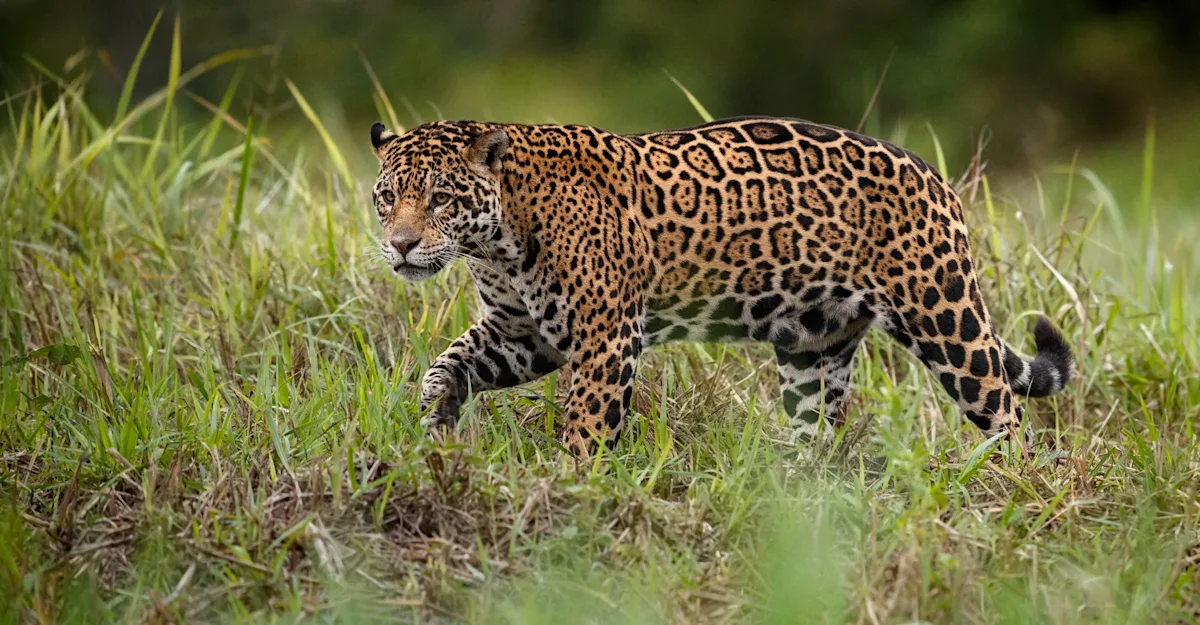
On a sunrise nature walk from our ecolodge, listen to the chorus of birdsong and monkey calls announcing a new day. After breakfast, depart on a scenic half-day drive to Porto Jofre via the Trans-Pantanal Highway, which traverses some of the best wildlife-viewing areas in the ecosystem. Along this remote dirt road that crosses 123 bridges, search for caiman, capybara, giant anteater, anaconda, jabiru stork, macaws and more. Our destination is Porto Jofre, where the highway ends at the Cuiaba River—an important port for transporting cattle and agricultural products from the Pantanal along the road artery to the town of Pocone and beyond. After lunch on arrival, set out in open skiffs for our first jaguar watch, scanning the riverbanks for glimpses of the stealthy feline hunters. This region has the highest density of jaguars in the entire Pantanal, and our odds of seeing them are excellent, especially from mid-June to mid-October. The jaguar—the largest wild cat in the Americas—is the top predator in the ecosystem, drawn to the abundance of food sources that thrive here.
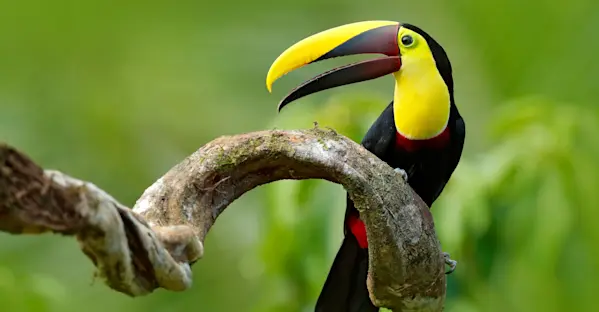
The area around Porto Jofre offers exceptional wildlife encounters, and our focus is on sighting jaguars and giant otters. We look for them and a multitude of other Pantanal species, including caiman, capybara, toucans and howler monkeys, on private morning and afternoon small-boat excursions. Outings on the river also reveal scores of waterbirds, reptiles and plants that thrive in the sprawling mosaic of lakes, lagoons, rivers and marshes. Fish flourish in this freshwater sea, too, and as the water level drops seasonally in the lakes and channels, fishermen can sometimes catch dorado, pacu and traira by hand. Birds large and small fly overhead and feed at eye level.
This morning, fly via chartered small plane directly to Caiman Ecological Refuge, enjoying dramatic aerial views and avoiding a rugged 10-hour drive. Deep in the green recesses of the South Pantanal, this renowned ecolodge is our private base for exploration. It lies at the remote heart of a 130,000-acre sustainable cattle ranch, and the atmosphere reflects the distinctive local cowboy culture that taps 200 years of combined Portuguese, Paraguayan and indigenous traditions. The lodge was the first ecotourism operation in the region and remains a conservation leader. When the refuge was established, 10% of the ranch acreage was set aside as a private conservation area, off-limits to cattle but open to visitors. The protected area, chosen with the aid of research scientists from the University of Sao Paulo, is remarkably diverse, with habitats encompassing wooded and scrubby savanna, open pasture, stands of caranda palm, hammock forests, streams and seasonal channels—all providing sustenance for numerous Pantanal species, including Brazilian tapir. This afternoon, we head out on a private wildlife drive in the Caiman Ecological Refuge, perhaps providing our first jaguar sighting in the south.
A range of activities in the refuge offers varied perspectives on the South Pantanal. Depending on seasonal conditions, we may take nature walks and day and night 4x4 safaris in open-sided trucks. Local guides join our Expedition Leader to reveal and interpret the area's many natural phenomena. Wildlife abounds in the vicinity, and the refuge is the site of the Onçafari Jaguar Project. This new conservation initiative aims to promote wildlife ecotourism in the Pantanal by habituating jaguars to vehicles so people can observe them while on safari. With patience and luck, we hope to be among the fortunate few to see wild jaguars here, as sightings continue to increase with concerted conservation efforts. On clear nights from mid-June to mid-October, the starry skies overhead are spectacular, and we may have the chance to view planets and constellations through powerful telescopes during evening astronomy programs around the campfire. Our last night at the lodge holds a special treat: enjoy a traditional Pantaneiro cowboy dinner outdoors, with spit-roasted meat and other favorite local dishes.
Awaken to the symphony of tinamous and parrots and savor the South Pantanal’s tranquility before departing our ecolodge on a chartered flight to Campo Grande. From there, we fly to Sao Paulo, a cosmopolitan metropolis and cultural melting pot that is the largest city in South America. This evening, gather for a farewell dinner and reflect on all the adventures we've had.
For guests not continuing on our Iguazu Falls Extension, enjoy some exploration on your own if time permits before your departure for the airport. Visit the Sao Paulo Museum of Art, considered to house the most important collection of European art in the Southern Hemisphere, or stroll through Trianon Park, a tropical forest oasis with myriad paths leading you to native palms and trees, including Pau Brasil (the Brasilwood tree, after which the country is named), and more than 29 species of resident birds. An airport transfer is provided to meet homeward flights.