Call (800) 543-8917
Oreti, Tusheti National Park, Republic of GeorgiaKazbegi, Republic of GeorgiaPirikiti Valley, Tusheti National Park, Republic of GeorgiaOmalo, Tusheti National Park, Republic of GeorgiaAtsunta Pass, Tusheti National Park, Republic of GeorgiaKvakvidi, Tusheti National Park, Republic of GeorgiaMt. Kazbegi, Republic of GeorgiaOmalo, Tusheti National Park, Republic of GeorgiaShenako, Tusheti National Park, Republic of Georgia
Photo Credits
Rafal Belzowski: Kazbegi
Jamey Hicks and Sharon Chang: Atsunta Pass
Olaf Malver: Mt. Kazbegi hiker, Omalo
13 Days, From $3,595 (800) 543-8917 for Availability Print Page Email Page

Email Page

Use the form below to email this page to a friend.

To


From

Trekking in the High Caucasus of Georgia

Discover Sublime Hiking and Legendary Hospitality in the Mountains of Poetry
Come discover a corner of Europe as glorious as the Alps yet far less known, on the this unusual hiking adventure in the Republic of Georgia. Our custom-crafted itinerary is a fabulous find for international trekkers seeking a novel yet safe experience in a locale that's equally as impressive in scenery and culture. The northern Caucasus Mountains are the centerpiece of this small country, rising above 16,000 feet in a 750-mile serrated line between the Black and Caspian seas. Along this historic and geographic divide between Europe and Asia we find an ancient culture steeped in tradition. Georgia's people are as captivating as its peaks, welcoming visitors with poetry, song and hospitality that will steal your heart. 

Trip Highlights

  • Fall in love with a remote, little-traveled trekking locale, whose traditional people are as memorable as the mountains
  • Traverse between two distinct Caucasus regions and cultures, camping and staying in guesthouses in small villages
  • Explore one of the world's premier biodiversity hotspots, with Europe's most varied flora and fauna
A World-Class Trek Like None Other!
If you’ve already covered most of the world’s famous trekking destinations—Nepal, Patagonia, the Alps—we’ve got a surprise for you. Come to Georgia. Yes, the other Georgia—where glacier-clad peaks beckon and wild rivers rush into green valleys dotted with ancient villages, whose hospitable people see few tourists and welcome us with vigor. Very few adventure outfitters offer trips to the Caucasus, and we can say with surety that ours is unique—and no one does it as well as we do! Here’s why:

  • A Small Group for a More Intimate Experience
    We travel with no more than 10 guests. This small number allows us the safest and most personalized experience as we trek through small villages and stay in authentic guesthouses, enjoying camaraderie with the welcoming local people as well as close connections with our Expedition Leader. 
  • The Ideal Point-to-Point Itinerary, Crafted with Local Expertise
    Our itinerary has been designed with input directly from Natural Habitat Expeditions' own CEO—Chief Exploratory Officer Olaf Malver, who actually lives in Georgia! With Olaf based there year-round, you won't find a more experienced or in-the-know local operator. We've crafted an impressively diverse journey through three varied geographic regions, each with different landscapes, cultures and traditions. Our one-way, A-to-B trek means we don’t do any backtracking, and we thus enjoy a wider variety of accommodations and cultural encounters.
  • Travel with a Peerless Local Guide
    Our Expedition Leader is the famous Tush horseback riding champion and mountaineer Eka Chvritidze, a Georgia native highly respected and loved by the locals we meet on our journey. Her depth of experience and knowledge assure not only the safest experience of this mountain environment, but a multitude of personal connections with local people and service providers for the highest-quality guest experience. As with all our trips, Nat Hab hires only the very best guides who are experts in the regions we visit. See Expedition Leader bios with traveler comments regarding the quality of our leaders.
  • Pack Horses Carry Our Gear
    Native Tush pack horses carry most of our gear, so we can enjoy the trail and the views. Not only are we more comfortable, but we can cover greater distances and see more of the Caucasus as a result. All you’ll need to carry is a small day pack with your personal items for the day. The horses will also help you keep your feet dry as we negotiate river crossings!
  • Exclusive Vineyard Visits & Wine Tastings
    Georgia is the world’s birthplace for wine, and through our personal connections in the region, we stop for visits to vineyards and tastings that are offered to no other visitors—a completely authentic local experience! Our guide, Eka, even conducts a private tasting in her family's own vineyard in Kakheti for the ultimate personal touch.
  • The Best Vehicles for Safe, Comfortable Overland Travel
    On our drive over the steep and winding mountain roads in Tusheti, we use late-model, top-quality, carefully maintained 4-wheel drive Jeeps with a maximum of four passengers in each. These vehicles offer the safest and most comfortable ride as we drive to and from the High Caucasus.
  • Top-Quality Camping Equipment
    Rather than cut costs or corners by using poorly made camping equipment sourced from Asia or elsewhere, we provide the very best North American tents and camping gear to ensure the highest level of comfort and reliability. 
  • A Full Support Staff on Trek
    While hiking we are accompanied by a full team of cooks and camp assistants, so our Expedition Leader can focus wholly on you, your comfort and making sure you experience every element of what Georgia has to offer. This also means that you can relax and enjoy your vacation, rather than worrying about food preparation at the end of each day on the trail.
  • All Wine & Beverages are Included
    Georgia is the world’s birthplace of wine—and we’ll have a chance to sample it aplenty! Unlike most tours, we included everything you drink—no nickel and diming here, just enjoy. You’ll have the opportunity to try a variety of wines along the way, at our guesthouses and on local vineyard visits. Water and soft drinks are also included.
  • Our Quality Guarantee Ensures Your Caucasus Adventure 
    Natural Habitat Expeditions' exclusive quality and value guarantee clearly states that we will meet the lofty expectations we set in our promotional materials. To our knowledge, this is the most ambitious guarantee made by any adventure travel company. Read our important promise.
  • Feel Good About the Way You Travel
    We all care about the planet, and on this adventure you can travel knowing that the emissions from your trip are 100% carbon-offset — Natural Habitat is the world’s first carbon-neutral travel company.
  • Natural Habitat is WWF's Travel Partner
    Because of our commitment to environmentally friendly travel, as well as the exceptional quality of our worldwide adventures, we have been chosen by World Wildlife Fund -- the world's leading environmental conservation organization -- as its worldwide travel partner, a designation that makes us exceedingly proud!
Location of Adventure
Republic of Georgia
Group Size Limit
Maximum 14 travelers. A very important feature of our Georgia adventure is the limited group size, as horse-supported treks are best experienced and safely conducted with a small group of travelers.

Because of the unique nature of these adventures, our guaranteed departures policy does not apply to Natural Habitat Expeditions' trips, although every effort will be made to run each departure as planned.
Included
Accommodations, meals and some wine from dinner on Day 1 to breakfast on Day 13, safe drinking water, services of a Natural Habitat Expeditions professional Expedition Leader, horse pack crew and pack horses, kitchen staff, commissary equipment and tents, sleeping pads, most gratuities, Tbilisi city tour excursion, wine tastings and transfers within Georgia.
Not Included
Travel to and from Tbilisi, Georgia, some gratuities, personal phone calls and laundry, travel insurance, sleeping bags and other equipment items of personal nature.

Mandatory Insurance
Medical Evacuation Insurance is mandatory for all Natural Habitat Expeditions trips. If you decline the medical evacuation insurance coverage provided by Natural Habitat, note that the cost of a medical evacuation policy will be added to your tour invoice until you provide our office with proof of coverage, including your insurance company’s name and contact number, and your insurance policy number.
Physical Requirements
This trip is rated Demanding

On our Caucasus trekking adventure, expect to hike approximately 5-8 hours each day, mostly over mountainous terrain at altitude. However, if adverse conditions impede our progress, we may need to hike for longer periods to reach a safe and optimal campsite for the night. The number of miles we hike each day often depends upon local weather conditions, the difficulty of river crossings and the collective strength of the group on any given day. We will make one high pass crossing over Atsunta Pass (11,200 feet). The trails we follow tend to be narrow but well defined, mostly traversing grassy mountain meadows. The terrain over the Atsunta Pass is steep scree on both sides. We will also make several river crossings, but all of them can be crossed safely on horseback.

During some years (though very rarely) there is a heavy snow pack in the Caucasus Mountains deep into summer, and if Atsunta Pass is impassable for our horses due to slippery snow patches, we may need to find an alternative hiking route in Tusheti that travelsthrough lower elevations. There are several options – all of which explore equally remote and beautiful areas.

Trek participants must be in good physical condition. From Khevsureti to Tusheti we expect to hike up to eight hours a day (including breaks). When we reach the Tusheti side, we anticipate four to six hours of hiking for four days. For those who wish to take a short break from hiking, we provide two horses with comfortable saddles, for some safe, fun and easy mountain horseback riding.

This trek is designed so that hikers will carry only light day packs, with camping equipment and other personal equipment carried by pack horses and mules. A typical day pack would weigh about 10-15 lbs., with a windbreaker, snacks, water bottle and personal camera gear.

The individual and collective success of this trek depends upon each participant assessing his or her own abilities to take part in a trip of this nature. If you have any questions or doubts about your suitability for this trip, please give us a call to discuss it further.
Important Information
To get the most out of this adventure, you should be in good physical condition. The best preparation for this trek is to do some extended hiking with a day pack for several weeks prior to departure. Work to strengthen your legs, your back and your cardiovascular system. Tackle some preparation hikes in mountainous terrain, if available, and step off the trail to traverse uneven terrain while wearing your day pack. If you don't live near mountains, climb hills in your town and/or take the stairs if you work or live on an upper floor. The more fit you are, the more you will enjoy this physically demanding adventure -- you may even be able to laugh at your strong guides! If you have any questions about your suitability for this trip, please call our office at 1-800-543-8917 to discuss your situation further. 

Your safety while on trek is one of our primary concerns. Toward that end we provide highly competent guides and the very best equipment. Our guides are thoroughly trained in emergency backcountry first-aid techniques and have extensive experience in this environment. Ultimately, our guides make decisions with everyone’s comfort and safety in mind while trying to maximize the adventure experience for each individual. We stress that listening carefully to your guide’s instructions and directions is ultimately your responsibility, and in your best interest and that of the group.

We will provide all group gear such as tents, tarps, stoves and kitchen equipment, a comprehensive first-aid kit and satellite phone for emergency communications. We recommend that our clients bring neoprene socks and river-type sandals for river crossings (unless you want to ride the horse) and comfortable light camp shoes for relaxing in camp in the evenings. Some hikers also prefer to use trekking poles, which may be particularly useful while crossing Atsunta Pass.
Getting There & Getting Home
Arrive at Tbilisi International Airport in Georgia no later than 4:00 pm on Day 1, and depart from Tbilisi International Airport any time on Day 13.

We are prepared to handle all your round-trip travel arrangements including flights. We can serve you best if Natural Habitat We can best serve you if our Natural Habitat Adventures Travel Desk makes your reservations, as we are intimately familiar with the special requirements of this program and can arrange the most efficient travel. Please call us at 1-800-543-8917. Note that while we offer you the best possible rates available to us on airfare and additional nights' accommodations, you may find special web rates or better fares online.
Reading List
Longitude Books has created a custom comprehensive listing of Sublime Trekking in the High Caucasus of Georgia adventure travel books for this trip.
Manage Light Boxes

Manage Light Boxes

Use the editor (TAB Key) to edit the light box repeaters below.

Page Light Boxes

Global Light Box

  • Custom Zimbabwe Safaris
    #customzim

    Custom Zimbabwe Safaris

    We offer two options for arranging your private, customized Zimbabwe safari!


    Natural Habitat has been crafting private, custom Botswana safaris for travelers from around the world for nearly three decades. Arranged by our professional adventure staff, which has an average of 14 years’ experience, these safaris range from 6 days to several months in length. Please call us at 1-800-543-8917 to speak with an Adventure Specialist.
    iSafari is a custom safari reference and planning website. Research countries, wildlife, national parks and hundreds of lodges & camps. Build your own personalized safari, create a journal, share it, and send your handcrafted itinerary to us. Nat Hab's safari specialists will then work with you to perfect it!
    Visit iSafari.com

    Thank You

  • Custom Zambia Safaris
    #customzam

    Custom Zambia Safaris

    We offer two options for arranging your private, customized Zambia safari!


    Natural Habitat has been crafting private, custom Botswana safaris for travelers from around the world for nearly three decades. Arranged by our professional adventure staff, which has an average of 14 years’ experience, these safaris range from 6 days to several months in length. Please call us at 1-800-543-8917 to speak with an Adventure Specialist.
    iSafari is a custom safari reference and planning website. Research countries, wildlife, national parks and hundreds of lodges & camps. Build your own personalized safari, create a journal, share it, and send your handcrafted itinerary to us. Nat Hab's safari specialists will then work with you to perfect it!
    Visit iSafari.com

    Thank You

  • Custom Namibia Safaris
    #customnam

    Custom Namibia Safaris

    We offer two options for arranging your private, customized Namibia safari!


    Natural Habitat has been crafting private, custom Botswana safaris for travelers from around the world for nearly three decades. Arranged by our professional adventure staff, which has an average of 14 years’ experience, these safaris range from 6 days to several months in length. Please call us at 1-800-543-8917 to speak with an Adventure Specialist.
    iSafari is a custom safari reference and planning website. Research countries, wildlife, national parks and hundreds of lodges & camps. Build your own personalized safari, create a journal, share it, and send your handcrafted itinerary to us. Nat Hab's safari specialists will then work with you to perfect it!
    Visit iSafari.com

    Thank You

  • Custom Uganda Safaris
    #customug

    Custom Uganda Safaris

    We offer two options for arranging your private, customized Uganda safari!


    Natural Habitat has been crafting private, custom Botswana safaris for travelers from around the world for nearly three decades. Arranged by our professional adventure staff, which has an average of 14 years’ experience, these safaris range from 6 days to several months in length. Please call us at 1-800-543-8917 to speak with an Adventure Specialist.
    iSafari is a custom safari reference and planning website. Research countries, wildlife, national parks and hundreds of lodges & camps. Build your own personalized safari, create a journal, share it, and send your handcrafted itinerary to us. Nat Hab's safari specialists will then work with you to perfect it!
    Visit iSafari.com

    Thank You

  • Custom Rwanda Safaris
    #customrw

    Custom Rwanda Safaris

    We offer two options for arranging your private, customized Rwanda safari!


    Natural Habitat has been crafting private, custom Botswana safaris for travelers from around the world for nearly three decades. Arranged by our professional adventure staff, which has an average of 14 years’ experience, these safaris range from 6 days to several months in length. Please call us at 1-800-543-8917 to speak with an Adventure Specialist.
    iSafari is a custom safari reference and planning website. Research countries, wildlife, national parks and hundreds of lodges & camps. Build your own personalized safari, create a journal, share it, and send your handcrafted itinerary to us. Nat Hab's safari specialists will then work with you to perfect it!
    Visit iSafari.com

    Thank You

  • Photographer Michael Poliza
    #photographer_MichaelPoliza

    Photographer Michael Poliza

    A Lifetime Behind the Lens and In Front of the Animals


    After an extensive career in German television and film, plus a business in the IT sector, photographer Michael Poliza began focusing on digital media in 1997. His adventures led him to turn his attention to the game reserves and nature parks of southern Africa. Thanks to a friendship with Wilderness Safaris, he had freedom of access in return for the use of his images – a truly symbiotic relationship that saw the development of a significant body of wildlife and landscape imagery. The resultant book, Africa, was launched to massive acclaim in 2006.

    Since then, he has continued to photograph some of the most breathtaking views of nature, including the beauty and fragility of polar life in his coffee table book Antarctic, and aerial views of the entire African continent and its wildlife in Eyes Over Africa.  In December 2009 he was named as an ambassador of the World Wildlife Fund (WWF).

    Visit Michael Poliza’s website to learn more.

    Thank You

  • WWF in Action: Monarchs
    #WWFinaction_mb

    WWF in Action: Monarchs


    See the path that monarch butterflies take on their annual migration. © WWF

    How Mexico is Protecting Monarchs from Unsustainable Logging

    Every year, monarch butterflies take one of the most amazing migrations on Earth. Fluttering between 1,200 to 2,800 miles over the course of two months, they leave their summer breeding areas in Canada and the United States to return to hibernation colonies in the forests of central Mexico.

    These same forests are inhabited and managed by agrarian communities. Local landownership is divided between ejidos (communal forestry and agriculture endeavors), indigenous communities, and small property owners. As the communities struggle with widespread poverty and lack of employment opportunity, they lean heavily on the forest and its resources for survival—the same forests in which the monarchs congregate.

    To protect the area from unsustainable logging that threatens the butterflies’ unique habitat, the Mexican government took action. The Monarch Butterfly Biosphere Reserve was established, and later expanded with WWF support.

    To assist local communities in keeping the forest intact, WWF helps establish alternative income-generating ventures—including sustainable mushroom and tree nurseries.

    Today, nine mushroom nurseries provide protein to local households and income from sales. Mushroom producers have access to seeds, bio-material, and training with financial support from the Mexican government and WWF, and participation of local scientists. They learn cultivation techniques, administration processes, and how to manage the facilities’ equipment.

    At the same time, 10 tree nurseries now produce around 1.5 million native trees every year for reforestation of local areas, with income supporting many full- and part-time jobs. WWF forest engineers help with the work of growing trees—including seed planting, bagging and plant location, installing irrigation systems, and managing administrative tasks.

    For the communities involved in these endeavors there is a new appreciation of the forest they call home—and a change of conscience about how to use the forest in a sustainable way. Sustainable forest management can ensure their communities’ continued wellbeing—as well as the winter habitat of the butterflies that make their area so unique.

    “It’s not only protecting the monarchs, it’s not only protecting the forest, but it’s helping the local communities develop in an economic and social way. Without their participation, without their commitment, we cannot move forward,” says Eduardo Rendón-Salinas, head of WWF-Mexico’s Monarch Butterfly Program.

    Thank You

  • WWF in Action: Primates
    #WWFinaction_pw

    WWF in Action: Primates

    David Greer, WWF´s African Great Apes Leader (L) and Carlos Drews, WWF´s Director of the Global Species Programme ( R) discussing in Dzanga Sangha, Central African Republic. Photo © WWF-Canon/Carlos Drews

    Measures Taken to Prevent Illegal Trading and Killing of Great Apes

    Governments at the Convention on International Trade in Endangered Species (CITES) agreed to develop a comprehensive reporting mechanism on the illegal killing and trade of great apes.

    According to the United Nations Great Apes Survival Partnership (GRASP) Stolen Apes report, launched at the CITES meeting, 22,218 great apes were taken from the wild between 2005 and 2011 to be traded illegally on international markets, primarily for the pet trade.

    WWF believes that the real number of apes killed and traded is double or even triple this figure, due to the larger, more influential and significant bushmeat trade. Especially in Central Africa, ape meat is still a sought after commodity for mid-high level socio-political functions.

    Measures needed to ensure the conservation of African great apes include implementation of existing legislation, strengthened enforcement controls including anti-poaching measures, market survey and control, and anti-smuggling measures at international borders, meanwhile eliminating the widespread corruption which blocks the legal system and facilitates illegal trade.

    Although there are recent exceptions, range state governments do not regularly reinforce the ongoing work of anti-poaching teams. According to WWF, well patrolled protected areas, with demonstrated cases of imprisonment of illegal wildlife traders, offers the best chance of securing African great apes in the wild.

    Most of the apes captured for the pet trade are infants, the preferred bounty for poachers. But adult apes are not willingly letting their young go, and often defend their families to the death.

    Great ape populations in Africa often share their habitat with civil wars, illegal logging and the expansion of agriculture and other industrial activities which threaten their habitat. Conservation efforts are also threatened by highly infectious diseases which can kill vast numbers of great apes in single outbreaks.

    TRAFFIC, the wildlife trade monitoring network, has supported work to mitigate the effect of illegal meat trade on apes in Central Africa.

    “Illegal domestic and international trade in great apes and their parts continues to have a strong detrimental effect on the survival of wild orangutans, gorillas and chimpanzees,” said Roland Melisch, TRAFFIC’s Director for Africa and Europe.

    Thank You

  • WWF in Action: Whale Sharks
    #WWFinaction_ws

    WWF in Action: Whale Sharks

    Swimming with Sharks, Lessening the Impacts

    Gentle giants. That’s what pops into my head each time I think about being in the water, swimming alongside a whale shark. The first time I did it, it was the experience of a lifetime: Swimming six feet away from one of these gargantuan creatures, looking directly into his eye, kicking with all my might to keep up with him as he skimmed the surface of the plankton-rich water with his mouth wide open.

    I’m not sure what it is about being so near a creature so large; on the one hand, thrilling, and on the other hand, a palpable sense of calm. When I returned this past summer, I had the chance to swim with a “youngster” – only about 15 feet long; much easier to keep up with. We also had the special treat of spotting several large schools of golden rays, glittering as the sun bounced off them on the swells

    WWF got involved with the small fishing community of Holbox on the northern coast of the Yucutan Peninsula about five years ago when the region began its transformation from a shark-fishing village to a premier whale shark watching destination. When the shark fisheries began to decline, the fishermen started taking tourists out to see the whale sharks and asked WWF for help developing a code of conduct for the swim-with-a-whale outings. Some of the guides were letting people ride the sharks and—no surprise—the sharks were making themselves scarce.

    With the help of experts—and from learning about whale shark watching experiences in Belize, Honduras and Australia—the fishermen drew up a list of practices that would constitute a high-quality experience for the guests with less impact on the sharks.

    At issue now is the competition from less conscientious operators from Cancún and beyond. WWF conducted an analysis of the business model used by the local operators, with the goal of keeping the shark-watching business healthy as an incentive for protecting the whale sharks and their habitat. We’re also interested in learning more about the whale sharks’ habits, and so we’ve been working closely with Mexico’s National Park agency and have provided funding for satellite tags to track the movements of the sharks, which will help identify habitat in need of additional protection. Two of the sharks are now outfitted with the tags and the researchers have begun tracking them.

    - Gina DeFerrari, WWF Senior Policy Advisor

    Thank You

  • WWF in Action: Galapagos Islands
    #WWFinaction_gi

    WWF in Action: Galapagos Islands

    Working to Protect the Galapagos Islands

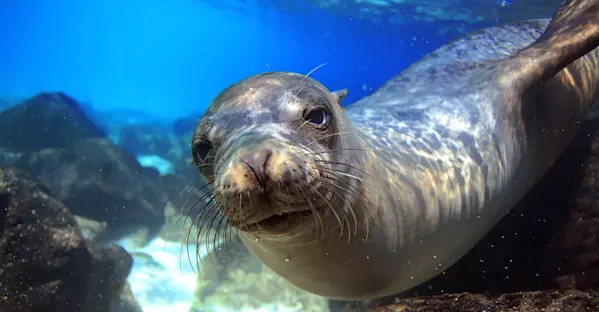
    If you landed in the Galapagos Islands a century or two ago, you would see giant tortoises lumbering across grassy fields, marine iguanas by the hundreds sprawled on rocks and sea lions cooling off at the water’s edge.

    It sounds, in fact, exactly what you’d still witness there in the 21st century. Except today, there’s a new influential species that has invaded the islands: the human being.

    The Galapagos archipelago was once a virtually untouched oasis with no human inhabitants. In the 1920s, European and North American settlers began to arrive, as well as Ecuadorians who came to fish and farm. The human population has grown from roughly 3,000 in the 1960s to about 30,000 in 2012. In addition to residents, more than 160,000 tourists visit the Galapagos each year.

    WWF has worked in the Galapagos for more than 50 years , launching its work in the islands with the Charles Darwin Research Station, which you’ll visit on NHA’s tour.

    Here’s a list of some of WWF’s other current initiatives in the Galapagos:

    Waste management
    Increased human activity results in an increased demand on ecosystems. This is an especially big challenge in the Galapagos. Litter and other poorly managed waste easily becomes marine debris, resulting in, among other things, the death of animals that become entangled in pieces of string or plastic bags or that consume floating trash.

    WWF is working to create a successful waste management and recycling system on the inhabited islands. Currently the organization is helping to construct a new type of landfill on Santa Cruz that will offer environmentally safe disposal of solid waste. Another important component of WWF’s work is to create a culture of responsible consumption by educating local communities on the need to reduce waste and recycle.

    Enforcing laws
    In 1998, WWF helped establish the 50,000-square-mile Galapagos Marine Reserve. Since then, the Galapagos National Park has struggled to enforce the law that protects the reserve from harmful fishing activity. Park managers were faced with high operating costs and inadequate resources to patrol the large marine reserve.

    With key partners, WWF has helped create more efficient ways to monitor vessels in the marine reserve, using such technology as satellite, radio and radars. These systems help detect illegal fishing activities and minimize the risk of vessel accidents, which could lead to oil spills. The organization also supports training park wardens on how to use these technologies.

    Illegal fishing

    The Galapagos Marine Reserve’s diversity of marine life makes it attractive to illegal fishing interests. As a result, almost all of the Galapagos’ commercially important coastal species are being overfished. Overfishing destroys marine environments and hurts communities that depend on the fish. WWF collaborates with fishing communities to embrace sustainable practices that protect the fishing industry and the marine ecosystems.

    Sustainable tourism support
    Worldwide fame has turned the Galapagos Islands into one of the most popular tourist destinations on the planet. More tourists means a bigger demand for tourism and hospitality employees, which grows permanent or seasonal populations on some islands. It also leads to a higher demand for imported goods and fossil fuels.

    WWF wants to ensure that tours like yours become a tool for conservation and sustainable development. WWF helps the Galapagos design and implement business models that both support conservation and improve people’s livelihoods. This is done through collaboration with partners, governments and communities. WWF is intently working on reducing the ecological footprint caused by the industry and visitors.

    Thank You

  • WWF in Action: Polar Bears
    #WWFinaction_pb

    WWF in Action: Polar Bears

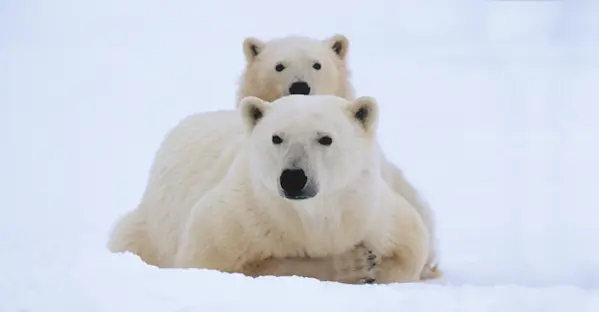
    WWF Works to Save Polar Bears in the Arctic

    Three researchers exit from a helicopter onto the sea ice of Arctic Canada and approach the lifeless polar bear. He’s not dead, just sedated from a dart gun the researchers shot from the air. They have an hour before he begins to wake up. They move quickly.

    First they measure length and—with the help of a fold-up tripod, a net and an engine hoist—weight. Next they collect biological samples: a vestigial tooth, which helps determine age, along with blood, serum, hair, fat and feces to identify any toxic contamination. Then the researchers paint a big number on the bear’s back with temporary, biodegradable fur dye, so that he can be identified from the air in the near-future, and they give him an ear tag or radio collar so that he can be identified in the years to come.

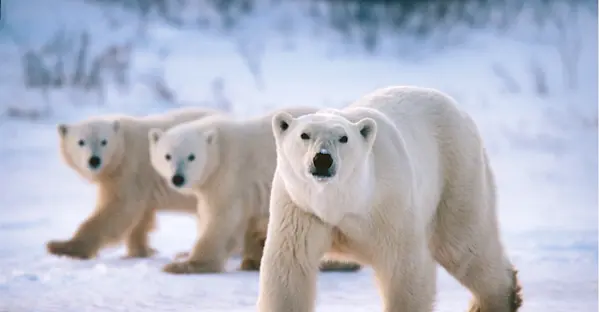
    Polar bears are not currently endangered—20 – 25,000 live in the wild—but the species’ future is far from certain. As a result of climate change, sea ice in the Arctic is melting earlier in the spring and forming later in the autumn, leaving the bears with less time on the ice to hunt for food to build up their fat reserves, and more time fasting on land.

    Studies suggest that two-thirds of the world’s polar bear population could be gone by 2050. And if current warming trends continue unabated, WWF scientists and other researchers believe that polar bears may disappear altogether within 100 years. WWF is intent on preventing this from happening.

    The organization and its partners are working to understand the impact of different threats. In addition to climate change, oil and gas development is a concern. By tracking polar bears, scientists can map a polar bear's range and examine how habitat use may alter over time in response to changes in the sea ice. Over time this information reveals changes and adaptations. WWF also provides funding for polar bear researchers to travel to Russia and the U.S. to share and exchange scientific information about polar bears with other researchers.

    As climate change forces polar bears to spend longer time onshore, they come in contact more often with Arctic communities. WWF is working to make sure these interactions do not end badly for humans or the bears.

    Scientists believe that a natural “safety net” of ice in the High Arctic of Canada and Greenland, ice covering 500,000 square miles, or twice the size of Texas, may persist longer than the ice anywhere else. WWF and its partners are working to preserve this region while simultaneously negotiating with governments, businesses and individuals to reduce greenhouse gas emissions that are causing climate change.

    Thank You

  • Learn About the World of Nature Adventures!
    #test

    Learn About the World of Nature Adventures!

    So you're interested in an extraordinary nature travel experience? Sign up for our eNewsletters – we'll keep you up to date on new trips, special offers & more!
    Required
    Required
    Required

    Thank You

  • Custom Botswana Safaris
    #custombots

    Custom Botswana Safaris

    We offer two options for arranging your private, customized Botswana safari!


    Natural Habitat has been crafting private, custom Botswana safaris for travelers from around the world for nearly three decades. Arranged by our professional adventure staff, which has an average of 14 years’ experience, these safaris range from 6 days to several months in length. Please call us at 1-800-543-8917 to speak with an Adventure Specialist.
    iSafari is a custom safari reference and planning website. Research countries, wildlife, national parks and hundreds of lodges & camps. Build your own personalized safari, create a journal, share it, and send your handcrafted itinerary to us. Nat Hab's safari specialists will then work with you to perfect it!
    Visit iSafari.com

    Thank You

  • Custom Kenya Safaris
    #customken

    Custom Kenya Safaris

    We offer two options for arranging your private, customized Kenya safari!


    Natural Habitat has been crafting private, custom Botswana safaris for travelers from around the world for nearly three decades. Arranged by our professional adventure staff, which has an average of 14 years’ experience, these safaris range from 6 days to several months in length. Please call us at 1-800-543-8917 to speak with an Adventure Specialist.
    iSafari is a custom safari reference and planning website. Research countries, wildlife, national parks and hundreds of lodges & camps. Build your own personalized safari, create a journal, share it, and send your handcrafted itinerary to us. Nat Hab's safari specialists will then work with you to perfect it!
    Visit iSafari.com

    Thank You

  • Custom South Africa Safaris
    #customsa

    Custom South Africa Safaris

    We offer two options for arranging your private, customized South Africa safari!


    Natural Habitat has been crafting private, custom Botswana safaris for travelers from around the world for nearly three decades. Arranged by our professional adventure staff, which has an average of 14 years’ experience, these safaris range from 6 days to several months in length. Please call us at 1-800-543-8917 to speak with an Adventure Specialist.
    iSafari is a custom safari reference and planning website. Research countries, wildlife, national parks and hundreds of lodges & camps. Build your own personalized safari, create a journal, share it, and send your handcrafted itinerary to us. Nat Hab's safari specialists will then work with you to perfect it!
    Visit iSafari.com

    Thank You

  • Custom Tanzania Safaris
    #customtanz

    Custom Tanzania Safaris

    We offer two options for arranging your private, customized Tanzania safari!


    Natural Habitat has been crafting private, custom Botswana safaris for travelers from around the world for nearly three decades. Arranged by our professional adventure staff, which has an average of 14 years’ experience, these safaris range from 6 days to several months in length. Please call us at 1-800-543-8917 to speak with an Adventure Specialist.
    iSafari is a custom safari reference and planning website. Research countries, wildlife, national parks and hundreds of lodges & camps. Build your own personalized safari, create a journal, share it, and send your handcrafted itinerary to us. Nat Hab's safari specialists will then work with you to perfect it!
    Visit iSafari.com

    Thank You

  • Learn More About the World of Nature Adventures!
    #itinerary

    Learn More About the World of Nature Adventures!

    So you’re interested in an extraordinary nature travel experience!? Sign up for our E-Newsletters – we’ll keep you up to date on new trips, special offers & more.

    Thank You

  • Nairobi
    #NHSnairobi

    Nairobi

    Our staff is based out of Nairobi, Kenya.  Welcome to our home base!  Learn more about our local office here.

    Thank You

  • Email Newsletter Sign-Up
    #eNews

    Email Newsletter Sign-Up

    Our weekly e-newsletter highlights exclusive offers, webinars, nature news, travel ideas, photography hints and more. Use the form below to submit your name and email address.

    Thank You

  • Quality Value Guarantee
    #QualityValueGuarantee

    Quality Value Guarantee

    Our exclusive Quality & Value Guarantee gives our travelers the confidence to make their travel plans knowing that they will have their lofty expectations met and that the fees we charge reflect the quality of the experience provided on our trips.

    1) We’ll Deliver on Our Promises:
    We are so confident the quality of our trips will meet your expectations and our Expedition Leaders will provide you with the best possible nature travel experience, that should you be dissatisfied we’ll gladly give you credit towards a future trip. This is, to our knowledge, the best guarantee in the travel industry! Of course, expectations have to match what we've promised, but our standards are so high that we are happy to make this unique and exclusive guarantee.

    2) The Best Trip at the Best Fare:
    We don’t think any other company has comparable trips when you take into account our unique itineraries, stunning locations, small groups, and quality Expedition Leaders. But, should you come across a matching itinerary of our quality offered by a US-based company, even within 30 days AFTER booking with us, we will gladly refund the difference. This guarantee is designed to assure you that even though our trips are of the highest standard you will still not pay more than you have to for the very best nature-based expeditions.

    3) Don’t Worry...We Won’t Cancel!
    While other companies often cancel their trips due to low participation, we guarantee our scheduled departures! This means that we will never cancel a trip because of low enrollment, giving our travelers the unique ability to feel secure that their travel plans are guaranteed. If you've ever experienced the disappointment of having your long-anticipated vacation cancelled unnecessarily at the last minute, you’ll appreciate this important feature. This guarantee applies to all of our regularly scheduled Natural Habitat Adventures and Natural Habitat Photo Tours departures.

    Thank You

  • Eric Rock
    #ericRockBio

    Eric Rock

    Eric’s role as NHA’s Head Naturalist not only allows him to lead a wide range of adventures around the world, but also to play an essential role in improving existing trips and developing new ones. His illustrious career began in Alaska in 1989, where he worked as a field researcher on many of the state’s diverse animal species, including river otters, waterfowl, moose and reindeer. He also served as the Head Naturalist at Kantishna Roadhouse Lodge in Denali National Park. His involvement in many of our North American destinations, including Alaska, British Columbia, Churchill, Canyons and Yosemite, has been integral to their continued success and popularity, and his participation in more exotic adventures, like Bhutan and Papua New Guinea, will undoubtedly serve to enhance travelers’ experiences in those areas as well. When not guiding for Natural Habitat, he works as a freelance documentary photographer. Eric’s knowledge, compassion and deep love of the natural world have a long and lasting impact on those who travel with him.

    Thank You

Page vs. Global : Page light boxes exist on this page only. Global light boxes exist on every page.