Email Page
Use the form below to email this page to a friend.Kayaking Greenland's Arctic Riviera
An Exclusive Paddling Expedition in the Remote Fjords of East Greenland
Day 1: Keflavik, Iceland / Tasiilaq, GreenlandArrive at Iceland’s Keflavik International Airport and transfer on your own by shuttle bus to nearby Reykjavik domestic airport, where our group meets for a late morning flight to Kulusuk Island, Greenland. [We recommend arriving 1-2 days prior to Iceland, to allow for any unexpected delays.] From Kulusuk we helicopter across to Ammassalik Island and its main town of Tasiilaq, the small administrative center of East Greenland. The charming collection of brightly painted wooden houses and buildings hugs King Oscar’s Bay, surrounded by pointed peaks iced with glaciers. We’ll visit the local museum and hear Inuit tales in the traditional sod house, then spend the night at a small pension where we are briefed on what to expect during our next two weeks of high adventure.
Day 2: Tasiilaq / Ikateq
Though the interior of Greenland is covered by an ice cap over a mile deep, a few habitable areas exist around the bays and islands of the coast. The region we visit enjoys a surprisingly mild climate in summer, thus its nickname, the “Arctic Riviera.” We’ll hike 7 to 8 hours over challenging terrain today to reach our put-in point near Ikateq Island, while a boat moves our kayaking equipment and food supplies to meet us. If ice conditions permit, this is where we will start. Otherwise, we may have to motor deeper into Sermilik Fjord. This evening at camp we assemble our boats and discuss safety and trip dynamics.
Days 3-13: Sermilik/Tasiilaq Fjord Complex
Over the next 10 days, depending on ice conditions, our expeditionary kayaking journey will cover 80 to 100 nautical miles through Ammassalik Fjord to the grand Knud Rasmussen Glacier at the bottom of Sermilik Fjord. (Our second departure operates in reverse.) Halfway through the trip we re-supply at the village of Kummiutt.
The landscape along Greenland’s remote and wild east coast is both beautiful and diverse, dotted with isolated communities of native people who practice subsistence lifestyles in this uncompromising but stunningly beautiful natural world. We learn about their culture, still based on fishing and hunting, and discover how they are retaining their traditions while adapting to contemporary life in the 21st century. Fittingly, it was in these Arctic waters that kayaking was invented by their ancestors.
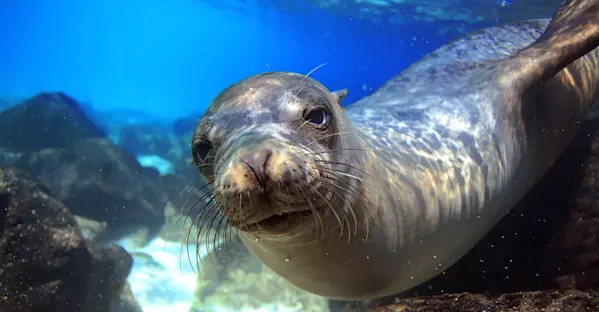
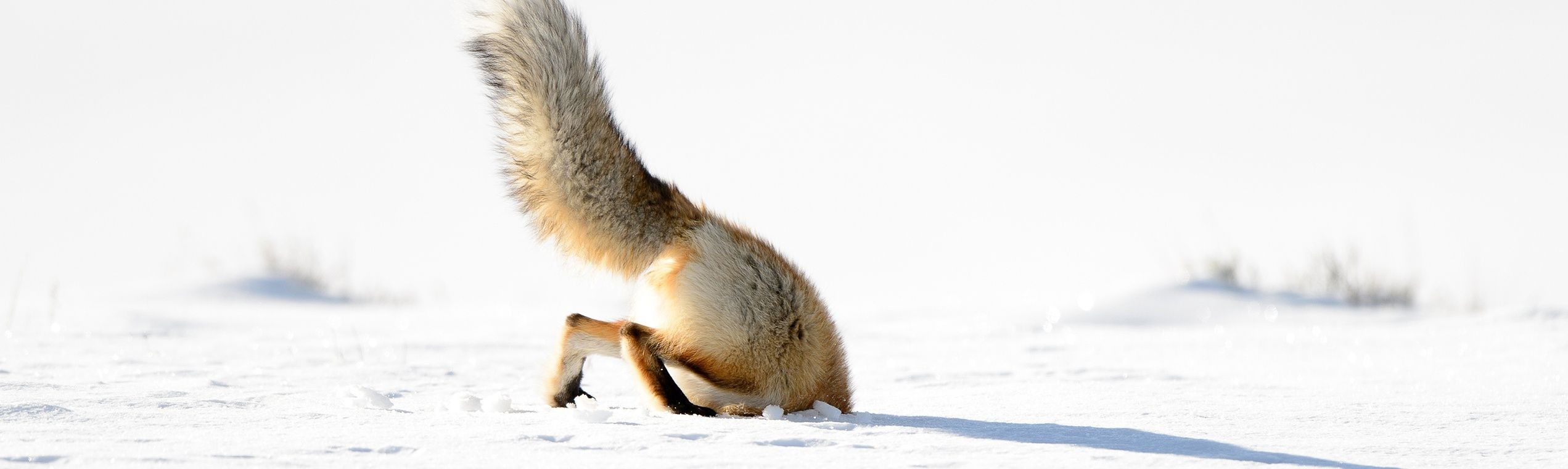
Each day we observe the ever-changing rugged shoreline, navigating among a flotilla of icebergs in an array of wild shapes. We’ll catch glimpses of whales and seals, both of which are abundant in these waters. We spend plenty of time ashore, too, hiking deep into the mountains and walking atop glaciers that wind down from the Greenland Ice Sheet, learning about the crucial role it plays in regulating the earth’s climate. Amid fields of waving Arctic cotton grass, we scout for wildlife such as arctic fox and hare and enjoy prolific birdlife, including eiders, loons and peregrine falcons.
Day 14: Tasiilaq
Once we reach Knud Rasmussen Glacier, we are picked up by motorboat and returned to Tasiilaq today. (On reverse-direction departures, we hike 7-8 hours back to Tasiilaq from our finish point.) We’ll arrive in time for afternoon sightseeing and a chance to shop for Inuit crafts and souvenirs in the small town. We overnight once more at Red House hostel.
Day 15: Reykjavik
Helicopter back to Kulusuk today to meet our international flight back to Reykjavik, Iceland. Celebrating an extraordinary two weeks of challenge, beauty and camaraderie, we enjoy a farewell dinner in Reykjavik in local pub before spending the night at the Hotel Odinsve.
Day 16: Reykjavik / Depart
The morning is at leisure in Reykjavik. Take a shuttle bus to Keflavik Airport for departing international flights.


(800) 543-8917 for Availability
Print Page
Every 1st & 3rd Tuesday of the month, starting on February 5th! 


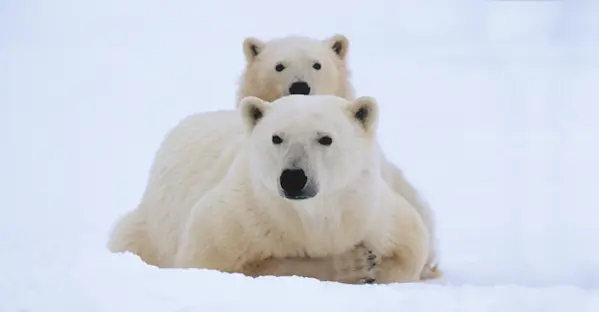
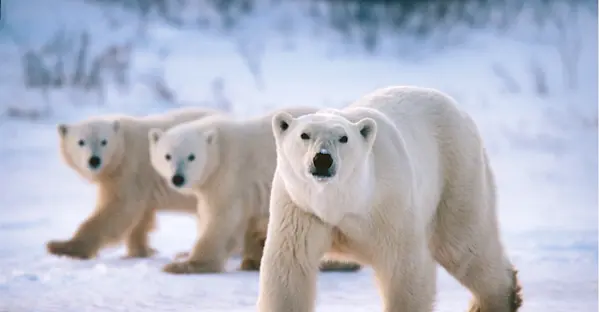
Studies suggest that two-thirds of the world’s polar bear population could be gone by 2050. And if current warming trends continue unabated, WWF scientists and other researchers believe that polar bears may disappear altogether within 100 years. WWF is intent on preventing this from happening.
Our exclusive Quality & Value Guarantee gives our travelers the confidence to make their travel plans knowing that they will have their lofty expectations met and that the fees we charge reflect the quality of the experience provided on our trips.