



Email Page
Use the form below to email this page to a friend.Mexico Sea Turtle Odyssey
Day 1: Huatulco, Mexico
Arrive in Huatulco and transfer to Posada Rancho Cerro Largo, an ecolodge with cabanas perched high atop a cliff with sweeping views of the Pacific Ocean. Here on the relatively undeveloped Oaxaca coast we are perfectly situated for a unique encounter with nature. Our Expedition Leader hosts a welcome dinner and orientation this evening.
Day 2: La Ventanilla / La Escobilla Turtle Camp
This morning we explore La Ventanilla, a community-based project devoted to restoring this mangrove estuary and protecting its inhabitants, which include sea turtles, crocodiles and birds. We also visit the Body Shop factory and store, where local people make products with natural materials from the area, creating a sustainable source of income. After lunch in the fishing village of Puerto Angel, we relax on the beach before returning to the lodge.
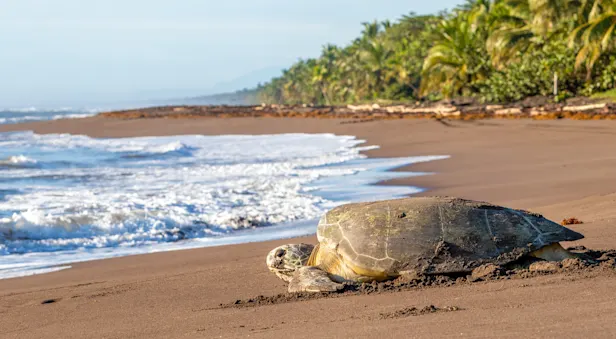
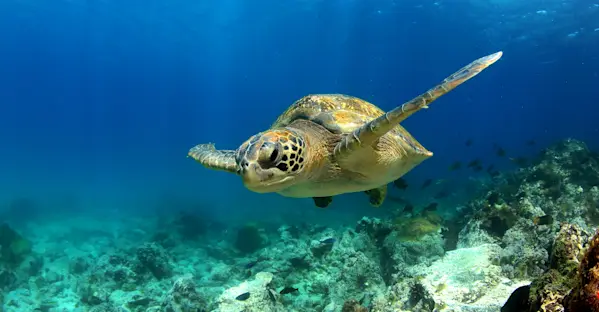
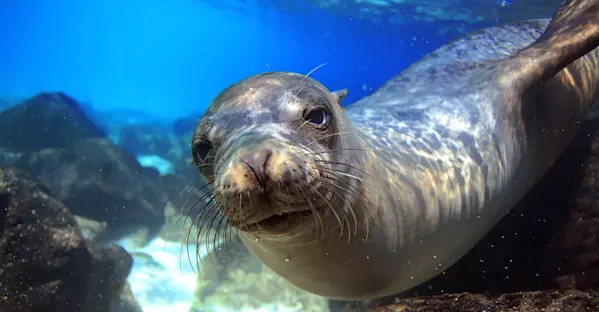
This evening we travel to La Escobilla Turtle Camp for a briefing on the sea turtle conservation program. Local residents, aided by the Mexican Ministry of the Environment and the Mexican Navy, patrol the beach to protect turtles from poachers. Tonight we help guard the beach close to the camp before returning to our lodge around 1:00 am. We may see females coming ashore after journeys of hundreds, even thousands, of miles, to bury their eggs in the sand. This stretch of coast is one of the best in the world for observing the arribada, a Spanish word meaning “arrival,” used to describe the mass nesting of olive ridley sea turtles. With many turtles coming ashore together, and many nests hatching at the same time, there is extra defense against predation, though the turtles also become more vulnerable to hunting and egg removal by human poachers.
Day 3: Mazunte / La Escobilla Turtle Camp
At Mazunte Beach we visit the National Mexican Turtle Center, created by the Mexican government to protect several threatened sea turtle species. Here, staff work to preserve the turtles both from natural predation and from human impacts such as gill nets, pollution, coastal development and hunting for the turtles’ meat, eggs and leather. Although olive ridley numbers have been vastly reduced from their historic populations, conservation efforts are helping this endangered species make a significant comeback. This evening we return to La Escobilla Turtle Camp, where we may have a chance to help release hatchlings into the ocean. These tiny creatures, just an inch and a half long, can grow to 100 pounds at full maturity.
Day 4: Iguana Farm / Puerto Escondido
En route to Puerto Escondido this morning, we visit an iguana farm run by a biologist working to increase the local wild iguana population. Our destination is a placid seaside town whose name in Spanish means “Hidden Port.” Here on the unspoiled coast, we unwind at Hotel Santa Fe, a four-star hostelry set among palms and tropical gardens. This afternoon we visit Manialtepec Lagoon, where we find verdant mangroves, fishermen in dugout canoes, and a rich diversity of wetland birdlife, including herons, ibis and egrets, and more exotic species such as roseate spoonbills, white-fronted parrots and tiger herons. This evening we’ll return to La Escobilla Turtle Camp or enjoy a picnic dinner at Manialtepec.
Day 5: Puerto Escondido
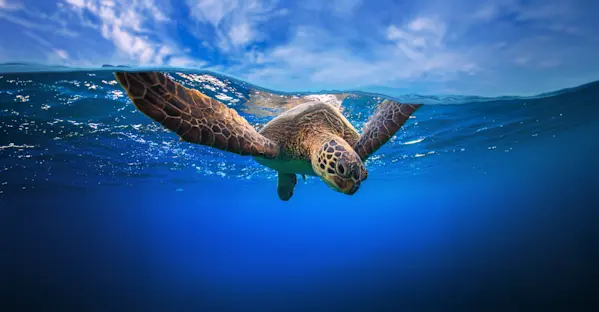
Early this morning we take a motorboat excursion to look for sea turtles in the ocean, where we may observe mating activity. There's also a chance for an optional snorkeling excursion in search of colorful tropical fish, which is included. After lunch, we return to our hotel for a final chance to enjoy the beach, visit the downtown area, or simply savor some unscripted time. Tonight we'll enjoy a farewell dinner in town.
Day 6: Huatulco / Depart
Our sea turtle tour comes to a close as we transfer to the airport this morning for flights home.


(800) 543-8917 for Availability
Print Page
Every 1st & 3rd Tuesday of the month, starting on February 5th! 

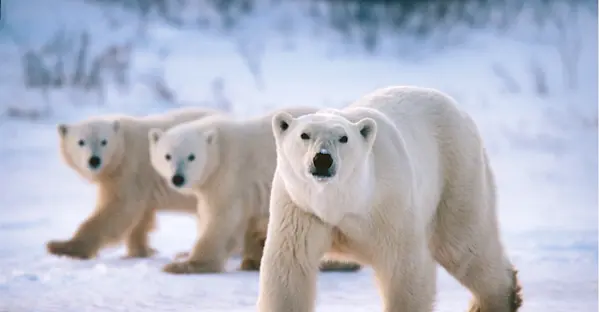
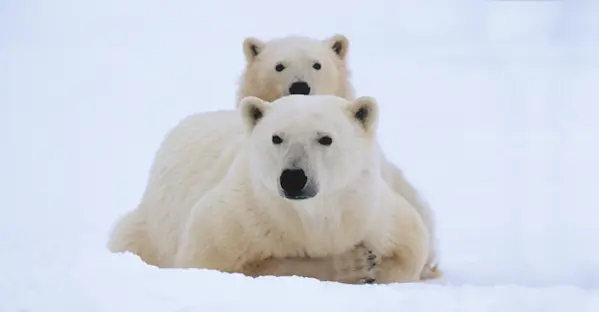
Studies suggest that two-thirds of the world’s polar bear population could be gone by 2050. And if current warming trends continue unabated, WWF scientists and other researchers believe that polar bears may disappear altogether within 100 years. WWF is intent on preventing this from happening.
Our exclusive Quality & Value Guarantee gives our travelers the confidence to make their travel plans knowing that they will have their lofty expectations met and that the fees we charge reflect the quality of the experience provided on our trips.