Email Page
Use the form below to email this page to a friend.The Wild Side of China: A Nature Odyssey
An Exclusive Far-East Safari to See Pandas and Explore Remote Wildlife Reserves
Day 1: Beijing, ChinaArrive in Beijing and transfer to our hotel. After lunch together, we visit the Forbidden City, seat of imperial power from the 15th century till 1924. Then, we'll stop at the Cha Jia Fu teahouse where we'll have a slide show presentation on China's natural history as we enjoy authentic Chinese tea and snacks. Afterward, guests are free to walk through the Houhai Hutong area along Shi Cha Lake, for a glimpse of daily life in a traditional old Beijing neighborhood. This evening we enjoy a welcome dinner at a special restaurant.
Day 2: Beijing / Great Wall
Rise early to visit a more remote section of the Great Wall, the 2,000-year-old edifice built to protect Chinese civilization from encroaching northern tribes. This afternoon we tour the narrow lanes of Old Beijing by pedicab, observing traditional life in the 500-year-old Hutong neighborhoods. Tonight, enjoy a classic Peking duck dinner and optional Kung Fu dance performance.
Day 3: Chengdu
Fly to Chengdu, capital of Sichuan province, famous for its silk brocade, piquant cuisine and giant pandas. First we visit the Moon Bear Rescue Center, part of an international effort to protect highly endangered Asiatic black bears. Later, we'll stroll through Bamboo Park on the banks of the Brocade River, where locals dance, play chess and drink tea. Harboring 150 species of bamboo, these gardens shelter a nesting rookery for night herons and egrets. After a Sichuan-style dinner featuring regional specialties, a Chinese opera and “face-changing” show is an option for evening entertainment.
Day 4: Chengdu Panda Base / Bifengxia Panda Base
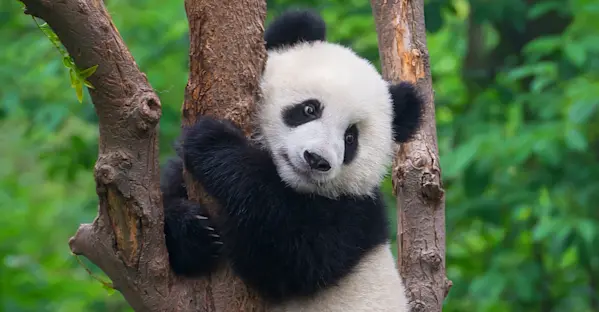
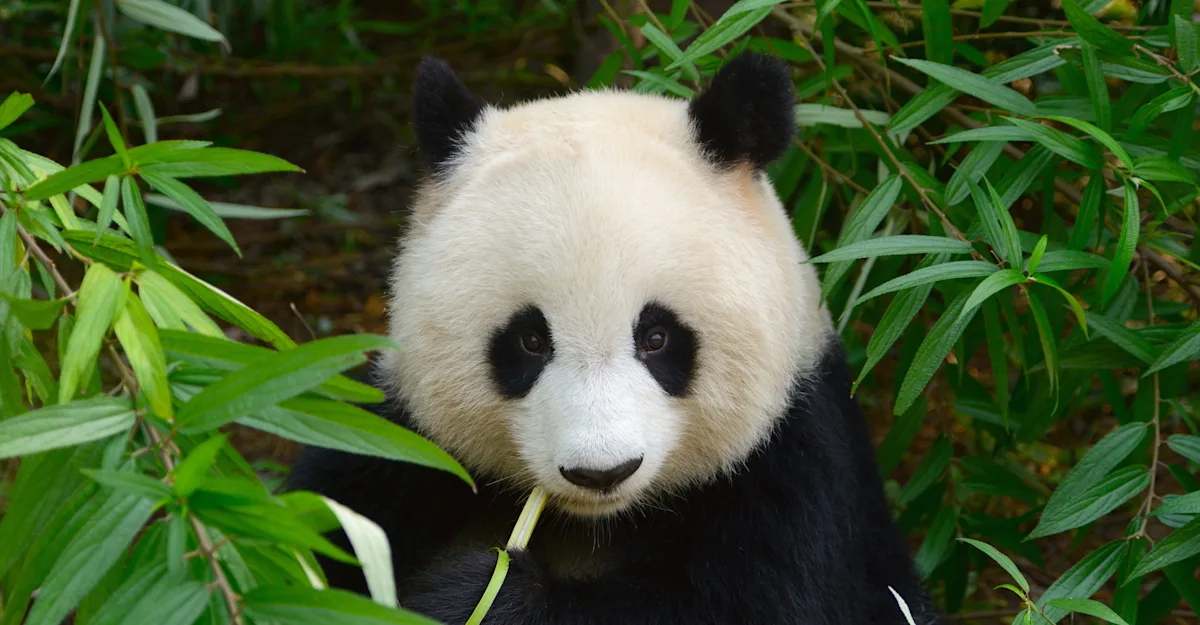
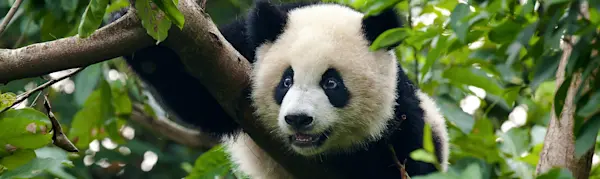
Few experiences offer more delight for the wildlife lover than today’s close-up interactions with China’s famed giant pandas. First we visit Chengdu’s Giant Panda Breeding Research Base, home to more than 100 pandas, where we’ll learn about their habitat, diet, mating habits and how they have survived despite increasing threats to their existence. We then drive to mountainous Ya’an where we’ll spend the afternoon at Bifengxia Panda Base to view pandas in a more natural setting. Tonight our Expedition Leader will share a slideshow lecture on panda biology.
Day 5: Bifengxia / Shangli / Chengdu
Return to Bifengxia for another chance to interact with the pandas, including cubs! Then, we ride down a 26-story elevator to the bottom of Bifeng Gorge for a leisurely short hike amidst the stream, waterfalls and abundant plant and bird life. After lunch in the ancient village of Shangli, we head back to Chengdu, enjoying another Sichuan feast tonight in the 2,000-year-old Jinli neighborhood. After dark, we stroll the streets of old Chengdu to enjoy its traditional ambience.
Days 6-8: Wild Panda Nature Reserve
Drive north into the Minshan Mountains today, stopping for lunch in a Gansu Muslim village. We wander through the ancient neighborhood and local market and visit a school to meet the local children. Beyond lies a secret slice of Chinese wilderness, a chain of nature reserves little known to outsiders and visited by only a handful of westerners. Our focus is a remote 100,000-acre sanctuary encompassing a lushly forested ecosystem that’s among the most diverse and intact in Asia. This national reserve, rated Grade I by WWF as a global biodiversity hotspot, is home to healthy populations of some of the world's most endangered wildlife, including some 60 giant pandas. The reserve also harbors more than 1,200 takin and 1,000 golden monkeys among its 430 different mammal species, as well as more than 2,400 different kinds of plants.
We’ll look for animals on morning and evening excursions. Although sightings are infrequent, our hope, of course, is to spy the elusive giant panda: this is prime habitat for pandas, and our exclusive permits allow us into the core areas of the reserve where they freely live and breed, affording us the best possible opportunity to see them in the wild. We may also see endangered moon bears, Tibetan and Rhesus macaques, golden and Sichuan takin, musk deer, muntjac, serow, wild boar, blue sheep and red panda. Bird watching opportunities are superb, with more than 150 species in the reserve, including the elegant golden pheasant. Night drives and walks may reveal nocturnal creatures such as leopard cats, civets and hognosed badgers.
Day 9: Wild Panda Reserve / Jiuzhaigou
After one last optional early-morning walk to view wildlife, we leave the reserve. On our way out of the park we stop to visit with a local farmer who was a former subsistence hunter in these forests. Since the creation of the reserve, he now uses his skills to guide researchers and visitors on expeditions into the mountains. On a tour of his farm, we’ll see and learn about a biowaste project that uses agricultural by-products to create methane for cooking fuel, reducing consumption of local wood. Continuing overland on a stunning drive through the mountains, we crest Rhododendron Pass to reach the Tibetan Plateau and Jiuzhaigou National Park.
Day 10: Jiuzhaigou National Park
Spend the day exploring the natural beauty of Jiuzhiagou National Park, a UN Biosphere Reserve. Birdwatching is outstanding on easy hikes through an idyllic backdrop of peaks, ravines, forest, meadows, wildflowers and a multitude of lakes and waterfalls. Tibetan culture is dominant here, evidenced by the prayer wheels and chortens that dot the landscape.
Day 11: Golden Monkey Reserve / Tibetan Village / Jiuzhaigou
For those who choose, this morning we visit a reserve that protects 1,600 golden snub-nosed monkeys. Highly endangered, this endemic species lives in the thick Sichuan forests at altitudes between 5,000 and 10,000 feet, spending most of its time in the canopy. Snow blankets these mixed woodlands for several months a year, though golden monkeys are well suited to tolerate the severe winters, enduring the coldest temperatures of any non-human primate in the world. Long holding a special place in Chinese culture, the golden monkey is considered a ‘state treasure’ much as the giant panda is. Alternatively, travelers may embark on a visit to an authentic Tibetan village to meet locals and learn more about life and customs within this deeply traditional culture.
Day 12: Chengdu
Fly back to Chengdu in time for a late lunch. After checking in our hotel, join a walking excursion through a pedestrian neighborhood to do some last-minute shopping, or indulge in a traditional Asian massage (at an additional cost) at our hotel’s elegant new Chi Spa. Our grand adventure comes to a close this evening with a farewell dinner at one of China’s most spectacularly located dining venues: a restaurant built on a footbridge spanning the Brocade River, with egrets flying beneath.
Day 13: Depart
Transfer to the airport today for flights home.


(800) 543-8917 for Availability
Print Page
Every 1st & 3rd Tuesday of the month, starting on February 5th! 

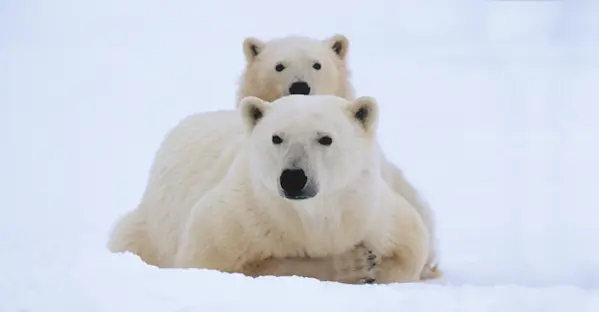
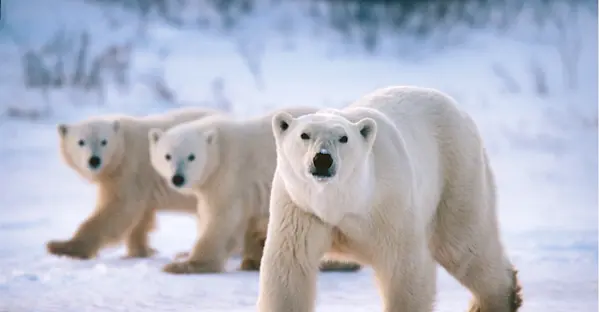
Studies suggest that two-thirds of the world’s polar bear population could be gone by 2050. And if current warming trends continue unabated, WWF scientists and other researchers believe that polar bears may disappear altogether within 100 years. WWF is intent on preventing this from happening.
Our exclusive Quality & Value Guarantee gives our travelers the confidence to make their travel plans knowing that they will have their lofty expectations met and that the fees we charge reflect the quality of the experience provided on our trips.